
Reviewed · VALLEY FORGE & DAY TRIPS FROM PHILADELPHIA
Philadelphia: Valley Forge National Historical Park Tour
Winter hardships hit home at Valley Forge. This half-day trip from Philadelphia takes you to the recreated soldiers’ cabins and huts, plus major Washington sites like Washington’s Headquarters along the Schuylkill River. I also like the small group of 14 and the way guides such as Marty and Tom make the stories feel human and askable, but plan on bringing snacks since food and drinks aren’t included.
The drive itself sets the tone. You’ll head into the Philadelphia countryside with a guide talking through the war’s early years and what led up to the winter encampment, and the tour runs rain or shine so the plan doesn’t hinge on sunshine. With about 270 minutes total and roundtrip transportation included, it’s an efficient way to go deep without worrying about routes or parking.
What makes this more than a quick stop is the sequence of stops. You start with interpretive context at the Visitor Center, then move through Washington’s key religious and command locations, memorials, and the recreated encampment areas—so you can connect what you’re seeing to why it mattered. It’s also wheelchair accessible, and the small-group format helps you keep questions from getting swallowed by a busload of people.
In This Review
- Quick hits before you go
- Why 270 minutes at Valley Forge feels like more
- From 48 N 12th St out into the war’s backstory
- Valley Forge Visitor Center: artifacts that make the huts click
- Washington Memorial Chapel: a quiet pause with meaning
- Washington’s Headquarters and the National Memorial Arch
- General Wayne statue and Philander Chase Knox Estate: the people behind the system
- Recreated quarters and guard huts: learning the encampment layout
- Touring with a guide: what you’re paying for beyond transport
- Price, timing, and what to bring (so the day stays fun)
- Who this tour is best for
- Should you book the Philadelphia: Valley Forge National Historical Park tour?
- FAQ
- How long is the Valley Forge National Historical Park tour?
- What does the tour cost?
- Where do I meet the tour?
- What is included in the price?
- Are food and drinks included?
- Does the tour run rain or shine, and is it wheelchair accessible?
Quick hits before you go
- A small-group ride (up to 14) keeps the day conversational, not lecture-only.
- Visitor Center artifacts first so the recreated huts make more sense once you’re outside.
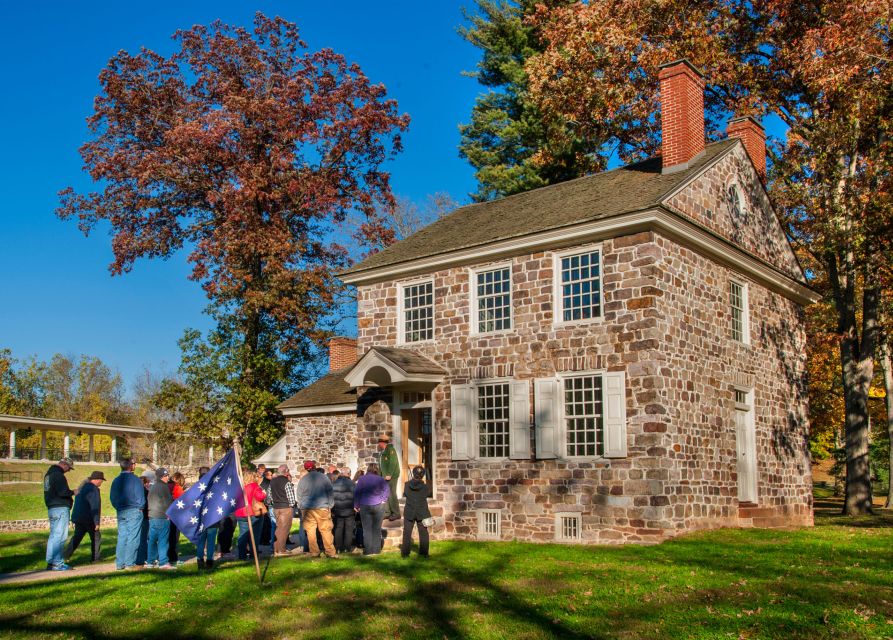
- Washington’s Headquarters on the Schuylkill River is a major public site you’ll stop to see.
- Recreated soldiers’ quarters and guard huts help explain hardship in physical, not abstract, terms.
- Key historical figures get names and motives through storytelling around sites tied to the people.
- Peaceful countryside pace gives you time to look, not just sprint from one photo spot to the next.
Why 270 minutes at Valley Forge feels like more
Valley Forge isn’t just a history stop. It’s a story about the edge of survival—and how stubborn leadership and discipline can change an outcome.
In one half-day, you’ll get the big turning-point idea: Washington’s Army didn’t just “camp in winter.” It endured. Then it adapted. Then it became better at fighting. The tour format helps you grasp that progression by layering context (early war background), interpretation (Visitor Center), and then the actual places tied to command and daily life.
I like that this isn’t set up as a race to “check boxes.” The sites you visit connect into a narrative you can follow: where the Army tried to hold on, where Washington worked, and where military roles formed into something more effective than raw endurance.
Out to Valley Forge and beyond the city


From 48 N 12th St out into the war’s backstory
You start at 48 N 12th St, with the official meeting point on the SW corner of the intersection at 12th and Arch Streets. Look for the WeVenture Tours sign. From there, you’re in the van/vehicle with your guide heading toward the National Historical Park area.
On the drive, the guide fills in the early-war setup—what happened before Valley Forge and how the winter encampment became a turning point. This matters because Valley Forge feels less random when you understand the timeline and the pressures leading into the encampment.
If you’re coming from Philadelphia for the first time, this is also a smart way to see beyond city landmarks. You get a half-day in the countryside with the guide’s focus staying on the American Revolution, not general driving trivia.
One practical tip: dress for a day outdoors. Even if you’re not doing long hikes, Valley Forge sites involve walking between stops, and weather can shift fast.
Valley Forge Visitor Center: artifacts that make the huts click
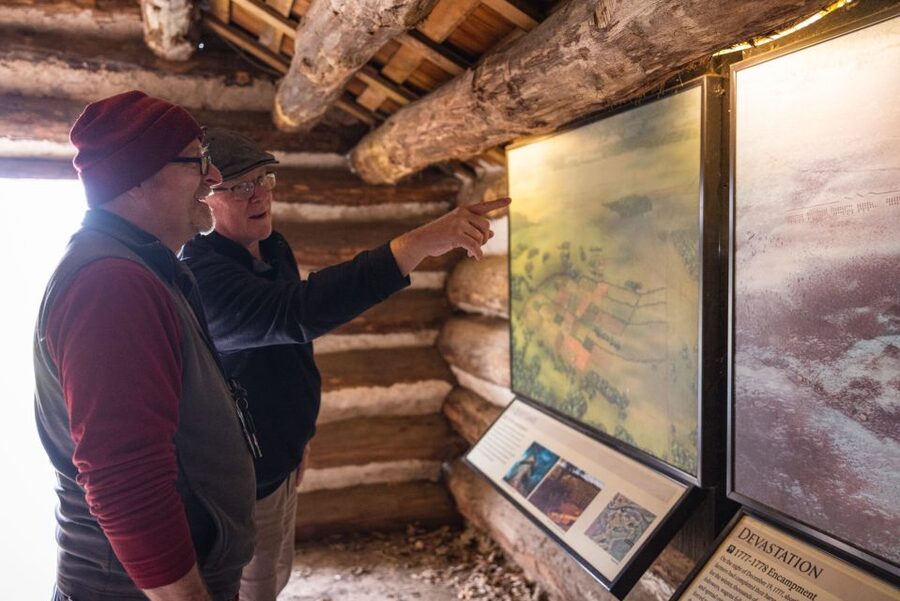
The first real historical landing is the Valley Forge Visitor Center. You’ll have a guided visit there with historic objects and artifacts, which is a huge help before you step into the recreated soldiers’ spaces.
This stop does two jobs. First, it gives you background so you can read the park like a story map. Second, it adds texture. When you later see the cabins and huts, you’re not just looking at models—you’re connecting objects and daily realities to what the Army faced.
The Visitor Center also gives you an emotional buffer. Valley Forge can be heavy: hardship, illness, scarcity, and suffering. The guided context helps you understand why those details weren’t just tragedy—they were part of why the encampment became such a pivotal moment.
Washington Memorial Chapel: a quiet pause with meaning
Next comes Washington Memorial Chapel. It’s one of those stops that can feel different from the usual “outdoor monument” experience because it invites a calmer pace.
Your guide will frame it as part of Washington’s story and the Army’s world at Valley Forge. Even if you’re not a chapel person, it’s worth treating this as a reset button—take a moment to slow down, look, and let the day’s story catch up to your brain.
This kind of pause is underrated on tours. It stops the day from turning into pure facts-on-the-go and gives you a place to think about what the Army was enduring—and how leadership showed up in everyday life.
Washington’s Headquarters and the National Memorial Arch
Then it’s time for one of the headline moments: Washington’s Headquarters. The headquarters still stands along the Schuylkill River and is open to the public, so this isn’t just a reenactment vibe—it’s a real location you can stand in and picture decision-making happening.
Your guide connects what you’re seeing to the bigger transformation of the Army into a more lethal fighting force. That’s the key here: Washington isn’t framed only as a figure on horseback. You’re encouraged to think about command—planning, organization, and the grind of turning a struggling force into something that could fight again.
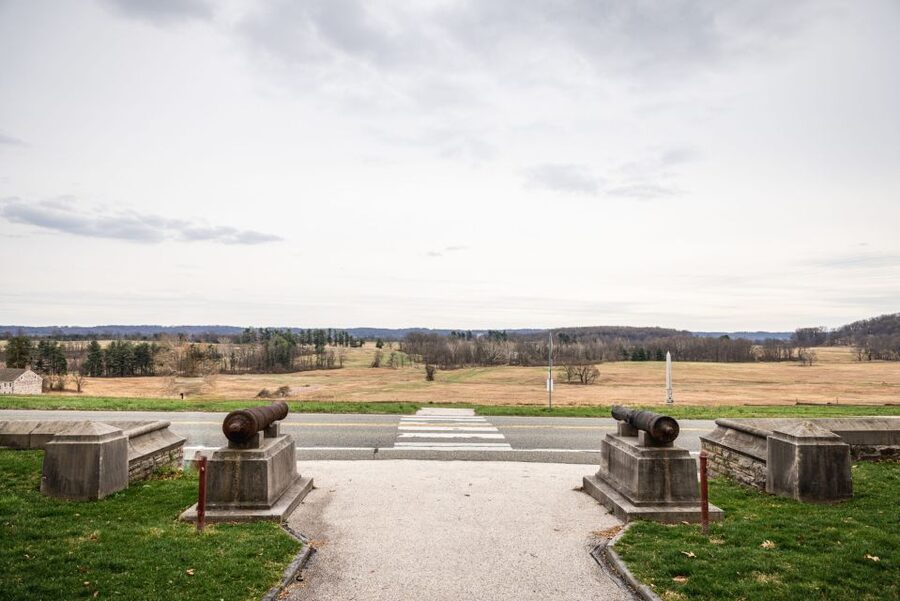
You’ll also see the massive National Memorial Arch, built to commemorate Washington and his army. It’s a dramatic visual, and your guide’s explanation helps you connect the scale of the monument to the scale of what it represents.
Deeper into old Philadelphia





General Wayne statue and Philander Chase Knox Estate: the people behind the system
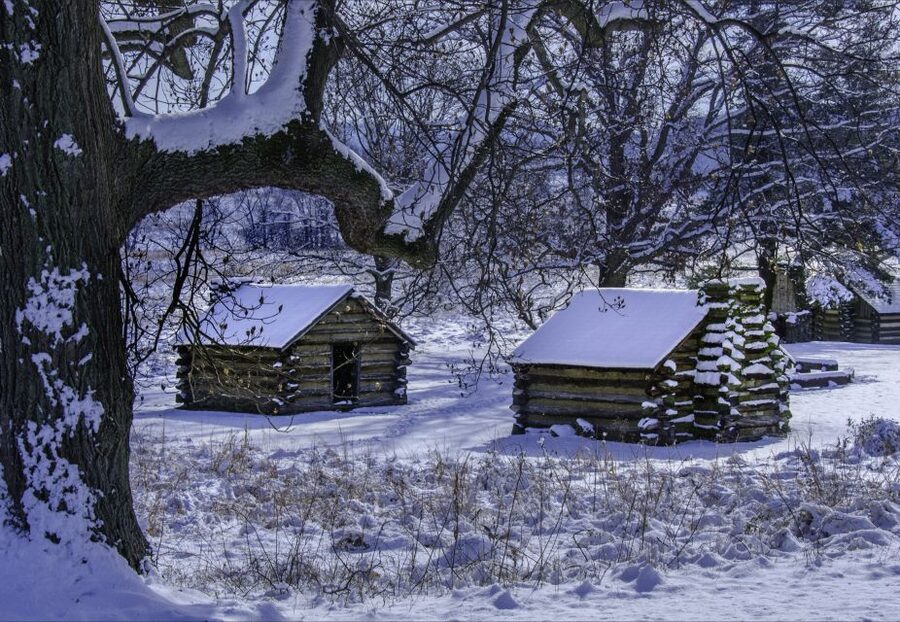
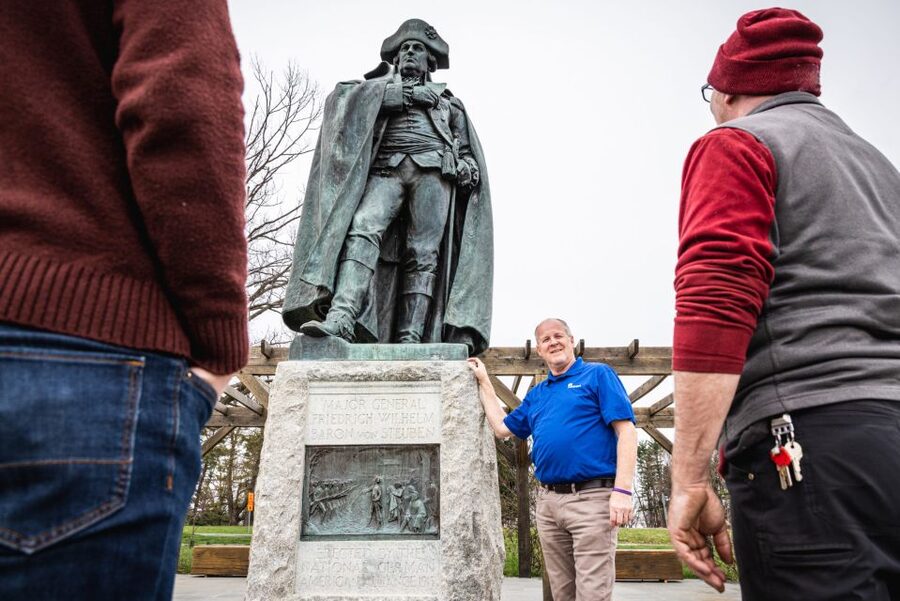
After Washington’s main command sites, the tour expands into the supporting cast. You’ll stop for the General Wayne statue, and you’ll also visit the Philander Chase Knox Estate.
These stops matter because Valley Forge wasn’t only about Washington. It was about a whole network of leaders and organizers who helped keep the Army functioning through winter misery—and then helped push it toward improved fighting readiness.
The way guides tell these stories can change how you see the park. Instead of treating it like a set of old buildings, you start to understand it as a command ecosystem. People were making decisions, coordinating roles, and sustaining morale while trying to keep the Army from breaking apart.
If you’re traveling with kids or teens, these are great points for questions. Names become hooks, and hooks make the history stick.
Recreated quarters and guard huts: learning the encampment layout
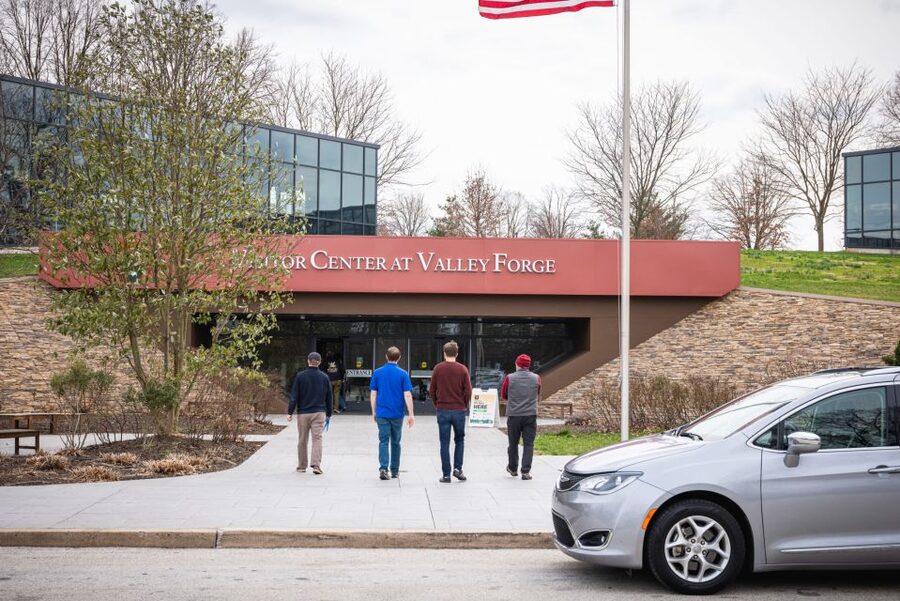
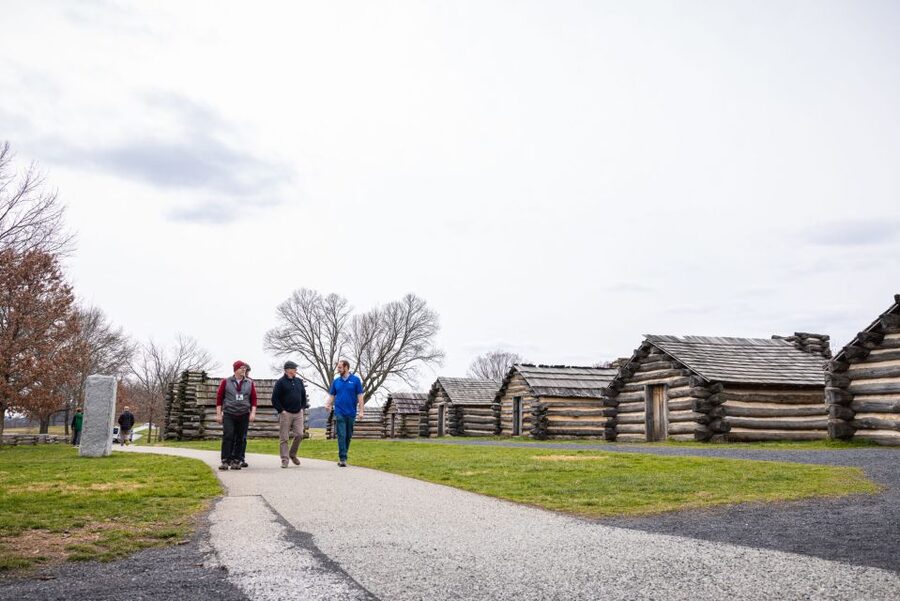
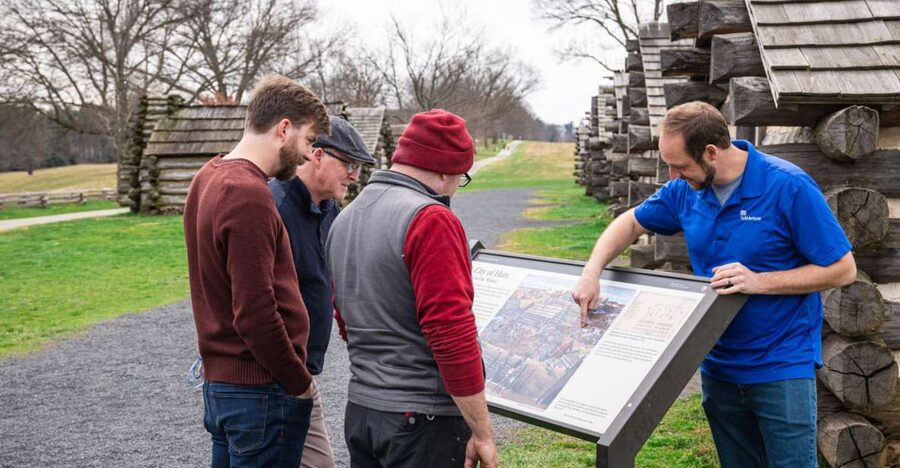
The most immersive part of the day is the encampment area itself. You’ll explore recreated soldiers’ huts and other sites, guided so you know what each space is meant to represent.
A key stop is Varnum’s Quarters at Valley Forge National Historical Park. You’ll also visit the Commander in Chief’s Guard Huts. Seeing these places in sequence helps you build a mental picture of the camp layout—where the command presence was, where the guard functioned, and how the daily structure supported survival and readiness.
Your guide will also point out sites you pass by, like the Muhlenberg Brigade and Artillery Park. Passing by can still be useful here because it keeps the day moving while giving you a sense of the larger operation. Artillery Park, in particular, ties back to why the encampment mattered: it’s one thing to endure winter, and another to emerge with the tools and organization needed to fight.
I like this section because it gives you a concrete way to understand hardship. You’re not only hearing about suffering—you’re seeing the physical setting where soldiers tried to stay functional.
Touring with a guide: what you’re paying for beyond transport
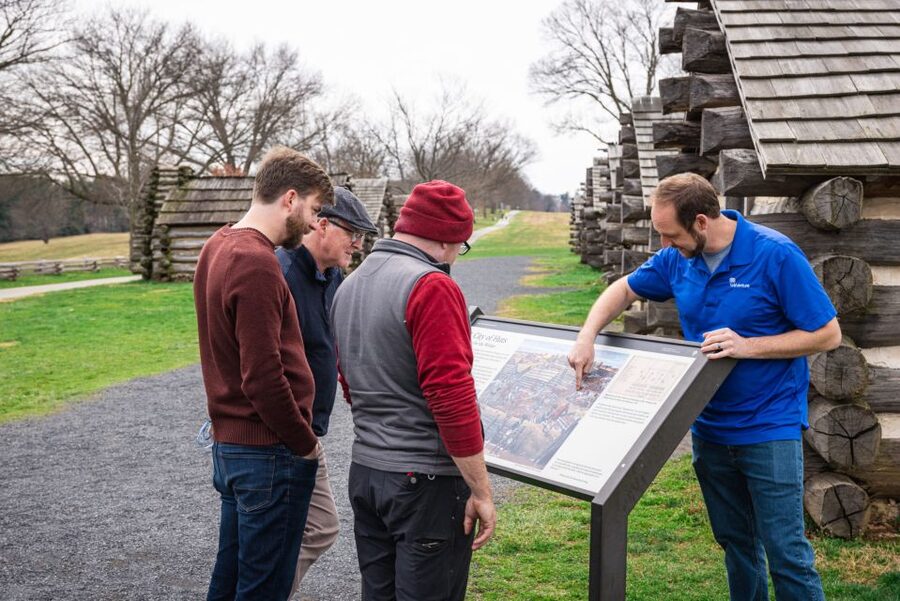
This tour is priced at $115 per person and includes roundtrip transportation from Philadelphia, a tour guide, and a donation to Valley Forge National Park.
That’s the value story. You’re paying for local interpretation and time-efficient logistics. With a small group limited to 14, the guide can actually talk with you instead of shouting over a crowd. The vehicle aspect also matters here: Valley Forge is a long-enough trip that having someone handle the route keeps your day focused on history.
The guiding style seems to be a strong focus. Guides named in people’s experiences—Marty, Dale, Adam, Rick, Tom, James, and Owen—are described as engaging and willing to answer questions, including for families and school-age kids. I’d take that as a sign to show up ready to ask.
One more note: wheelchair accessible means the day is planned with mobility in mind, which is not always true for “outdoor historical” tours.
Price, timing, and what to bring (so the day stays fun)
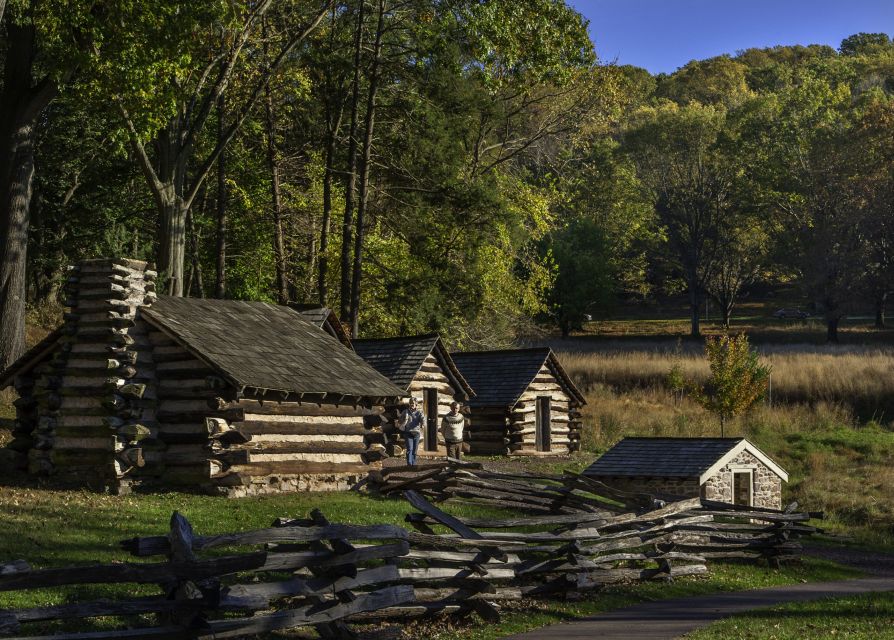
At $115 for about 270 minutes, you’re buying a half-day structure with transport and guided interpretation. If you were driving yourself, you might save money on transportation—but you’d likely lose the thread that connects each stop and the explanations that help you understand what you’re seeing.
Because food and drinks aren’t included, plan your own snack strategy. Bring water. If you get hungry easily, pack something simple so you’re not stuck making trade-offs between “I’m learning” and “I’m starving.”
Also dress for weather. The tour runs rain or shine. Valley Forge can involve chilly outdoor air, and even when you’re not hiking, you’ll be outside long enough for a jacket to matter.
If you want a low-stress day, this fits. If you’re expecting a hands-on reenactment every step of the way, you might find it more interpretive than theatrical—but that’s also why it works: it’s focused on understanding.
Who this tour is best for
This is a great match if:
- You want Valley Forge context without reading a textbook first.
- You like history when it’s explained through specific places and roles.
- You prefer small-group pacing over large bus crowds.
- You’re visiting Philadelphia and want a meaningful day trip that isn’t just another museum stop.
It’s also good for families because guides in the shared experiences describe making the day approachable for school-age kids. Teens often like the “who did what” angle when it’s tied to real locations.
If you’re the type who loves planning routes and self-paced wandering, you could DIY Valley Forge. But if you want the “why it mattered” story connected to the places, guided is the easier path.
Should you book the Philadelphia: Valley Forge National Historical Park tour?
Yes, if your goal is to understand why Valley Forge became a turning point and to see the most important surviving and recreated command and encampment locations with a guide guiding your attention.
Book it if you value:
- Small-group attention and question time
- A guided sequence from context to headquarters to camp spaces
- Roundtrip transportation so you can spend your energy on learning, not logistics
Consider alternatives only if you:
- Prefer food handled for you (this tour doesn’t include it)
- Want a fully self-paced experience with no structure at all
For most people doing Philadelphia for the first time—or anyone who wants an American Revolution day that feels thoughtful—this is a strong pick. It’s not long, but it’s packed with the places and stories that explain how winter hardship fed a future victory.
FAQ
How long is the Valley Forge National Historical Park tour?
The duration is 270 minutes, which is a half-day excursion.
What does the tour cost?
The price is $115 per person.
Where do I meet the tour?
Meet at the SW corner of the intersection at 12th and Arch Streets, and look for the WeVenture Tours sign. The starting location is 48 N 12th St.
What is included in the price?
Roundtrip transportation from Philadelphia, a tour guide, and a donation to Valley Forge National Park are included.
Are food and drinks included?
No. Food and drinks are not included.
Does the tour run rain or shine, and is it wheelchair accessible?
Yes, the tour runs rain or shine, and it is wheelchair accessible.
More Tours in Philadelphia


More Tour Reviews in Philadelphia
Valley Forge and Day Trips from Philadelphia

Fresh Off the Press: Latest Philadelphia Reviews











Valley Forge & Day Trips from Philadelphia, compared.
 ★ 5.0Guided Day Trip to Amish Country from PhiladelphiaFrom $249412 reviews
 ★ 5.0Driving Tour of Valley Forge National Park from PhiladelphiaFrom $149297 reviews
 ★ 5.0Longwood Gardens from Philadelphia Spring Flowers Pop Up TourFrom $12958 reviews
 ★ 3.5Valley Forge Revolutionary War Self-Guided Driving TourFrom $1647 reviews
 ★ 5.0Valley Forge Private 4-Hour Driving TourFrom $74511 reviews
 ★ 4.5Longwood Gardens Holiday Lights Tour from PhiladelphiaFrom $1498 reviews
 ★ 4.7NYC & New Jersey: Philadelphia and Princeton University TourFrom $1205 reviews
Browse the lists this tour appears in