
Reviewed · HISTORICAL TOURS
Badass Women’s History Walking Tour of Philadelphia
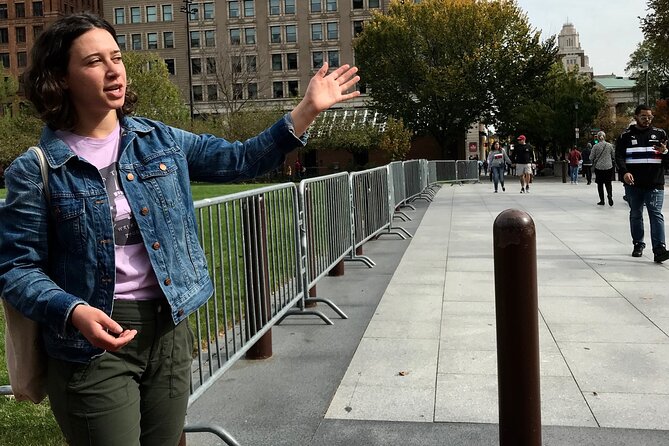
Philly has a second curriculum, and this tour is how you find it. You’ll walk past major landmarks while your guide highlights the women who shaped the city’s early years, with stories you won’t pick up from the usual plaques. I love that it focuses on female pioneers in specific places, not vague “women’s history” themes, and it keeps moving at a lively pace.
Two things I especially like: first, the tour is guided like a conversation, not a lecture, and the storytelling gets personal even when you’re standing in a crowd. Second, it mixes famous sites with less-expected stops like Pennsylvania Hospital’s early medical story and the Philadelphia Sketch Club area.
One drawback to plan for: you’ll be walking on old sidewalks and cobblestones at times, so if your feet hate uneven pavement, wear supportive shoes and take breaks when you need them.
In This Review
- Quick Take: What’s Special Here
- Sisterly Love at Walking Speed: The Real Point of This Tour
- Price, Timing, and How the Walk Actually Works
- Stop 1: Independence Hall and Hannah Callowhill Penn
- Stop 1 (Photo Break): Liberty Bell Moment
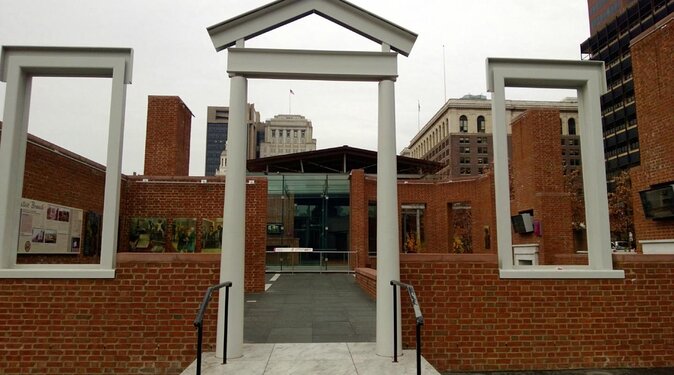
- Stop 2: The President’s House and Ona Judge’s Escape
- Stop 3: Pennsylvania Hospital and Early Women Doctors
- Stop 4: Gayborhood and LGBTQ Leaders
- Stop 5: Philadelphia Sketch Club and Women Artists on Camac Street
- What You’ll Get From the Guides (And Why It Matters)
- Who This Tour Fits Best (And Who Might Skip It)
- Practical Tips Before You Go
- Should You Book Badass Women’s History Walking Tour of Philadelphia?
Quick Take: What’s Special Here
- Old City, re-told: you’ll read Independence Hall, Liberty Bell, and the President’s House through women’s lives.
- Guides who tell stories well: names you might hear include Joey, Zoe, Shawn, and Rebecca, and the vibe stays friendly.
- A real range of topics: founders, escape stories, early medicine, LGBTQ leadership, and women artists.
- Small group feel: capped at 30 travelers, so questions actually land.
- One stop has extra cost: Pennsylvania Hospital’s historic tour admission is not included.
Sisterly Love at Walking Speed: The Real Point of This Tour
This is a Philadelphia walk designed for people who want the city’s big moments, but also want the women who got written out. It’s a guided history route that uses prominent landmarks as anchors, then adds the missing names and motivations around them.
At $59 per person for about 1 hour 45 minutes, you’re paying for human storytelling and a tight route through several high-value areas. The price makes sense most when you’re visiting from out of town or you want to stop skimming guidebook facts and start learning how the city worked. You’re also not paying for a museum “day pass” style experience, which helps this feel more flexible.
Group size matters here. With a maximum of 30, the guide can slow down for questions and adjust when you need a breather. The tour runs in English and uses a mobile ticket, which is exactly what you want for day-of logistics.
Philly at a walking pace, more routes


Price, Timing, and How the Walk Actually Works
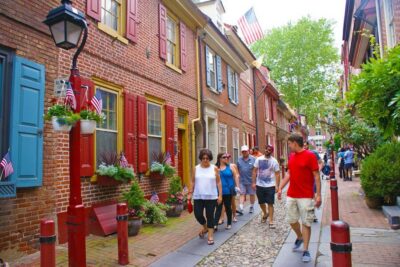
Plan for a steady walk with a few short stops. The total time clocks in at about 1 hour 45 minutes, and most of the route is flat terrain, which makes it easier for many people. Still, parts of the sidewalk can be rough—old cobblestones show up—so pack sensible footwear.
Meeting point is at 599 Market St, Philadelphia, PA 19106, near 13th and Locust (by Bud and Marilyn’s), with the tour ending at 1300 Locust St, Philadelphia, PA 19107. Since it’s near public transportation, you can build this into a day that also includes other Old City sights.
One thing to keep in mind: weather matters. If conditions aren’t good, the tour can be moved to a different date or you can get a refund. That’s not unusual for walking tours, but it’s worth watching the forecast.
Stop 1: Independence Hall and Hannah Callowhill Penn
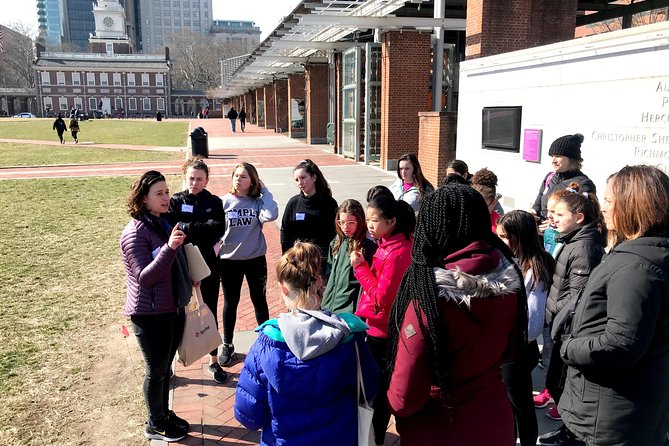
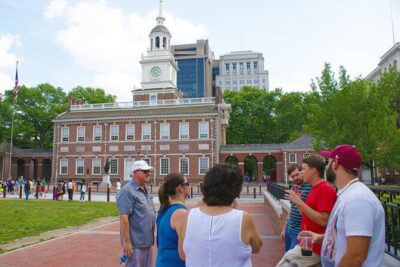
You start at Independence Hall, but you don’t just get the usual founding-era storyline. The angle here is Hannah Callowhill Penn, a woman often treated as footnote status in standard narratives. You’ll connect her legacy directly to the main Independence Hall sites, which helps the landmark feel less like a poster and more like a lived place.
A practical bonus: this stop is quick, around 5 minutes, and the admission ticket cost is listed as free. You’ll also get a natural photo pause as the group orients for what’s next. This is the spot where the tour “sets the contract” with you—expect less broad lecturing and more story-driven place reading.
If you’re someone who gets impatient with long museum lines, this opener is your friend. It gets you started fast and then turns the whole route into a narrative.
Stop 1 (Photo Break): Liberty Bell Moment
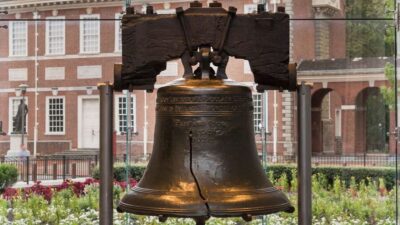
Right after Independence Hall, there’s an opportunity to take a picture with the Liberty Bell. It’s not presented as a deep-dive exhibit moment; it’s more like a quick snapshot so you can say you were there—while the guide keeps the women-centered story moving.
This matters because it stops you from wasting time trying to coordinate your own photo stop while other group members keep walking. You get the landmark moment without turning the tour into a scavenger hunt.
Stop 2: The President’s House and Ona Judge’s Escape
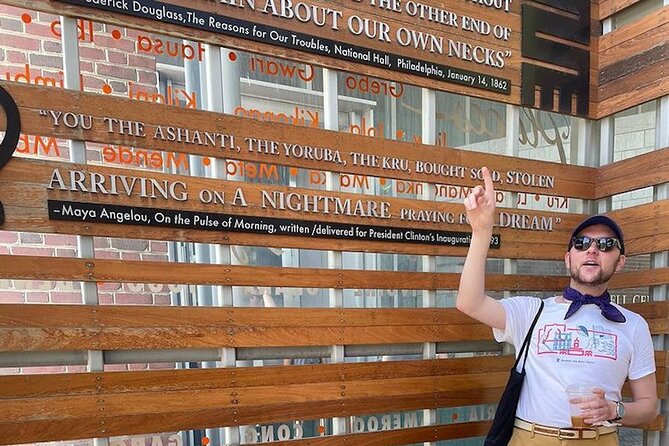
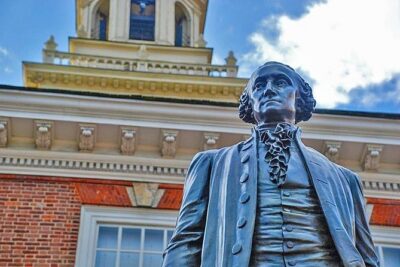
Next up is the President’s House story, with Ona Judge as the emotional center. The big theme: her escape from George Washington. That’s a powerful choice for a walking tour stop because it forces you to see power, control, and resistance as part of the early national story—not as side drama.
This stop runs about 15 minutes, which gives the guide enough room to explain context without turning it into an all-day history class. The admission ticket at this point is listed as free, so you can focus on learning instead of sorting out costs mid-route.
I like how this part changes your understanding of early America. You’re not just watching history happen; you’re seeing how decisions impacted real human lives. It’s the kind of stop that makes the rest of the tour feel more urgent and less “touristy.”
Deeper into old Philadelphia



Stop 3: Pennsylvania Hospital and Early Women Doctors
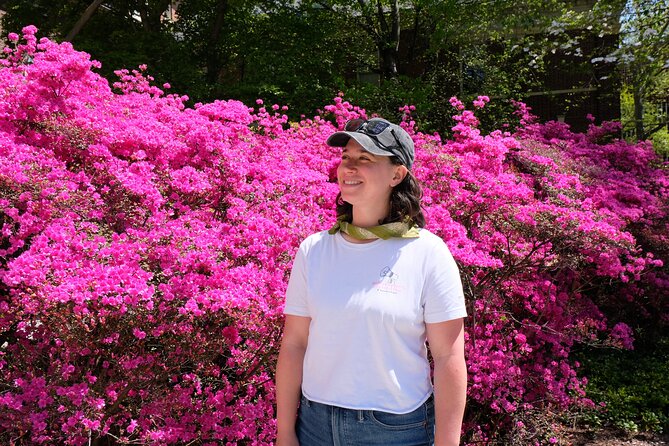
Then you move to Pennsylvania Hospital for the historic tours portion, focusing on the claim to America’s first hospital founded in 1751. This is where the tour gets extra interesting for people who think “women’s history” means politics only.
Here’s the angle you should expect: early medicine, including the presence of the first women doctors. That makes the stop useful even if you’re not a medical history person, because it expands what counts as leadership and contribution.
The time at this stop is about 20 minutes, but the important practical note is that admission is not included. So if you’re coming with a tight budget, plan a little extra for that segment. It’s also smart to arrive prepared for a bit more focused attention here, since this is one of the more interpretive stops.
Stop 4: Gayborhood and LGBTQ Leaders
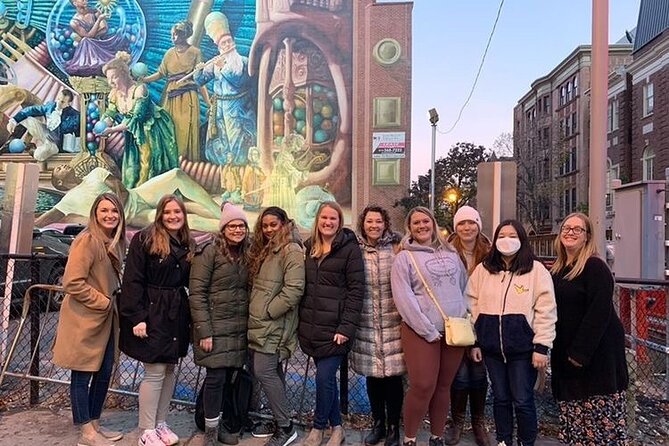
After early founding-era stories, you get a shift in time and focus. The Gayborhood stop is about LGBTQ leaders and the role the neighborhood has played in community building and visibility.
The stop is about 20 minutes and the admission ticket is listed as free. This is the kind of section that helps the tour feel more like a living city map than a timeline in a book. You’ll likely leave with a clearer sense that Philadelphia’s history isn’t only Revolutionary War era—it keeps changing, and people keep pushing for rights in different ways.
If you want a walking tour that covers more than one slice of history, this stop is a big reason why.
Stop 5: Philadelphia Sketch Club and Women Artists on Camac Street
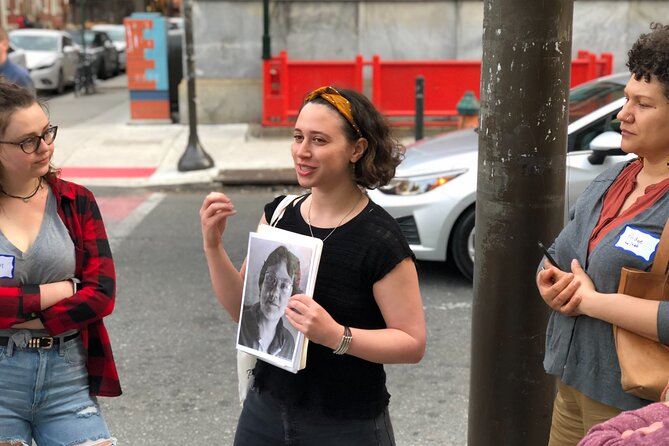
The final stop heads toward the Philadelphia Sketch Club area, tied to Camac Street. The story centers on women artists who built skills, collaborated, and worked on their art through the women’s artist club.
This stop is shorter, about 5 minutes, and again listed as free. That short duration works because the purpose is to point you toward a place and idea, not to keep you there until your legs stop working.
I like this ending because it widens the definition of influence. Not every major contribution is policy or rebellion. Sometimes it’s making art, learning techniques, forming networks, and sustaining a creative life long enough for it to matter.
What You’ll Get From the Guides (And Why It Matters)
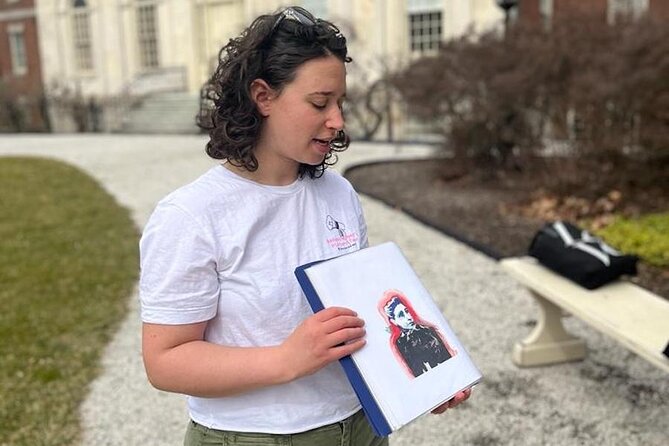
The tour’s biggest strength is the human storytelling. Guides named in the experience include Joey, Zoe, Shawn, and Rebecca, and the common thread is a clear, friendly style that treats the group like people, not heads to count.
You’ll notice the difference between reading about women and hearing them placed in scenes with motive and consequence. A good guide can also handle questions on the fly, which is important when you’re standing outside and want quick context without slowing the whole day to a crawl.
Small touches like asking if you want to pause for a coffee break, or letting the group absorb the moment before moving on, make a real difference on a route like this. It keeps the tour comfortable while still staying focused.
Who This Tour Fits Best (And Who Might Skip It)
This is a great choice if:
- You’re visiting Philadelphia and want a different angle on Old City beyond Independence Hall photos.
- You enjoy history that feels personal and specific, tied to real names.
- You’re the kind of person who likes walking tours but hates when they drag.
You might think twice if:
- Uneven cobblestones are a hard no for you.
- You prefer a slow, museum-style experience with long indoor stops. This is mostly a walking-and-story format.
- You’re trying to keep the trip cost ultra-low, since Pennsylvania Hospital historic admission is not included.
That said, the route pacing is generally manageable for many people, and the time estimate stays tight.
Practical Tips Before You Go
A few small things will make this day smoother:
- Wear shoes that handle cobblestones without complaint.
- Have a plan for the extra admission at Pennsylvania Hospital since it’s not included.
- Bring your phone power. The stops include a photo moment, and the tour leans on real-time engagement.
- If you’re sensitive to weather, check conditions before you set out; the experience needs good weather.
Also, since the tour ends around 1300 Locust St, it’s easy to roll into nearby neighborhoods afterward without a major commute.
Should You Book Badass Women’s History Walking Tour of Philadelphia?
If you want to see Philadelphia’s big sights and still feel like you learned something new, I’d book it. The value isn’t just the women-centered theme—it’s the way the guide connects specific people to specific places, so it sticks.
Choose it especially if you’re visiting for a short time or if you already know the standard history and feel ready for a second, sharper lens. If you’re on the fence, the best tie-breaker is this: do you want a walk that reads like a story told on the street? If yes, this tour fits. If no, you might prefer a more traditional museum-heavy day.
More Philadelphia Walks, Step by Step



More Tours in Philadelphia


More Tour Reviews in Philadelphia
Fresh Off the Press: Latest Philadelphia Reviews












Historical Tours, compared.
 ★ 5.0Revolution and the Founders: History Tour of PhiladelphiaFrom $292,944 reviews
 ★ 5.0Philadelphia Old City Historic Walking Tour with 10+ Top SitesFrom $432,020 reviews
 ★ 5.02.5 Hour Philadelphia History Tour with Washington War Tent ShowFrom $45924 reviews
 ★ 4.6Revolution and The Founders History TourFrom $29450 reviews
 ★ 5.0True Crime Philadelphia and History TourFrom $44416 reviews
 ★ 4.9History, Highlights & Revolution Walking TourFrom $45317 reviews
 ★ 5.0Philadelphia Old City History Pub Crawl Small-Group TourFrom $45294 reviews
 ★ 4.6Grim, Dark, and Twisted History TourFrom $44231 reviews
Browse the lists this tour appears in