
Reviewed · MUSEUM TICKETS & CITY PASSES
Philadelphia Museum of Art and The Rodin Museum
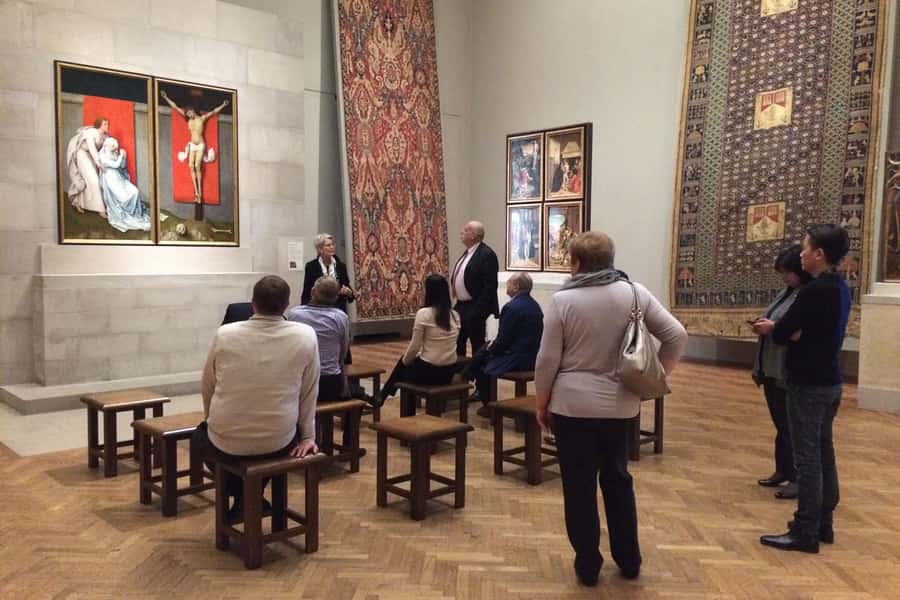
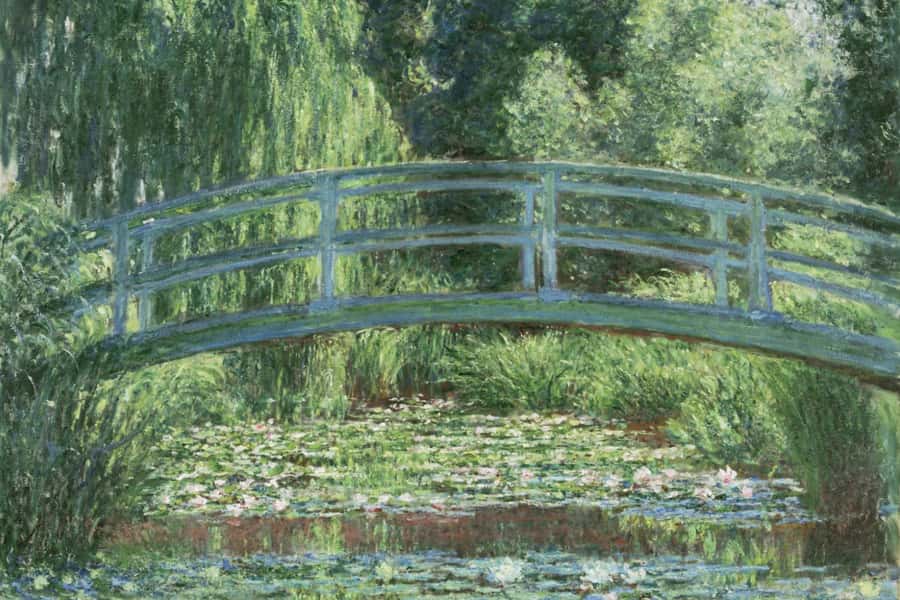
Art blocks traffic in the best way. Pair the Philadelphia Museum of Art with the Rodin Museum, and you get a smooth switch from world-famous paintings to Auguste Rodin’s sculptures, all in one museum complex area. I love the Impressionist rooms, where you can spot Van Gogh’s Sunflowers plus Monet’s The Japanese Footbridge and Water Lilly Pool, and I also enjoy the museum’s walk-through architectural surprises, from a medieval cloister to a Japanese teahouse. The main drawback to plan around: parts of the collection can be off view for maintenance, and both museums close during stretches of the week (PMA on Tue–Wed and Rodin Tue–Thu).
Here’s what makes this ticket feel like value: you’re not just buying one building. One ticket gives you two-day access to the museum’s Main Building and the Rodin Museum, and you’ll also get an English audio guide plus free public guided tours on the hour after admission. You can even drop bags at the free baggage store, which makes longer gallery time easier.
One more practical point: check in at the admission desks when you arrive at 2600 Benjamin Franklin Pkwy. From there, decide whether you want to do it all in one long day or split the PMA and Rodin visits across two days for a calmer pace.
In This Review
- Key things to know before you go
- Value and timing for the PMA + Rodin combo
- Check-in, entry, and how to get your plan working fast
- Philadelphia Museum of Art Main Building: start with Impressionists you can name
- The museum’s “walk through time” architecture (and why it matters)
- Modern and contemporary stop: Picasso’s Three Musicians
- Rodin Museum: the sculptures and gardens work as a set
- Dining and shopping near the museums without breaking your momentum
- Should you book this PMA + Rodin visit?
- FAQ
- Is an audio guide included?
- Are guided tours available during the visit?
- Does one ticket cover both museums?
- When is the Rodin Museum open?
- What are the Philadelphia Museum of Art Main Building hours?
- Where do I check in when I arrive?
- Are there restrictions on what I can bring?
Key things to know before you go
- Two-day access on one ticket lets you spread the Main Building and Rodin Museum across separate days.
- Impressionist highlights are strong with Van Gogh’s Sunflowers and Monet scenes like The Japanese Footbridge and Water Lilly Pool.
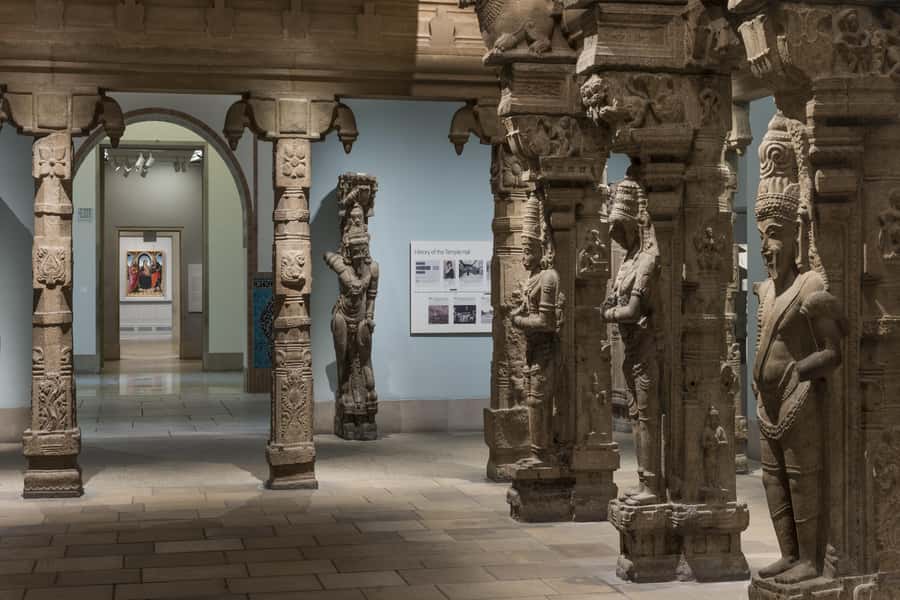
- Architecture is part of the art thanks to spaces ranging from a medieval cloister to a Japanese teahouse.
- Modern standouts are worth a focused stop including Picasso’s Three Musicians.
- Rodin’s garden setting changes the mood with a tranquil outdoor oasis right by the sculptures.
- Free hourly guided tours after admission are a great way to turn “seeing” into understanding.
Value and timing for the PMA + Rodin combo
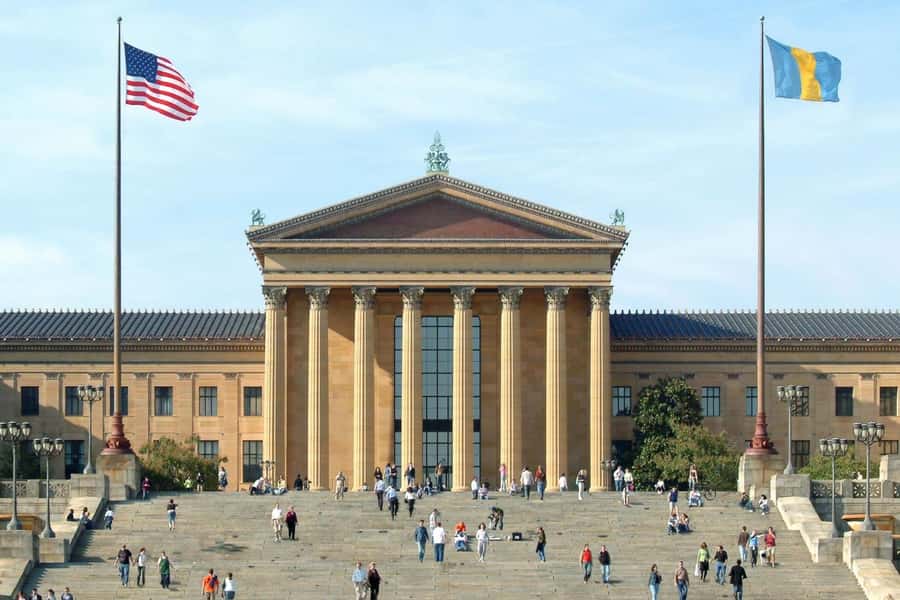
For $30 per person, this is one of those museum pairings that works if you like breadth. You’re paying for access to two major collections—plus an included English audio guide—without having to coordinate separate admissions. The big “value win” is flexibility: one ticket allows two-day access to both the PMA Main Building and the Rodin Museum, even though the overall experience is built for about a day.
Timing matters because the hours don’t match perfectly across the two sites. The Main Building is open Thursday through Monday (10:00 AM to 5:00 PM), with Friday evenings extended until 8:45 PM. The Rodin Museum is open Friday through Monday (10:00 AM to 5:00 PM) and is closed Tuesday through Thursday. If you can choose your day, pick a Friday or weekend so you can see both in one go. If your schedule lands midweek, split the visit across two days using that two-day access, and start with the Main Building on its open days.
Also note the reality check: the museum does maintenance, so some galleries and individual artworks may be off view. That doesn’t ruin the visit, but it does mean you should keep your must-sees flexible and be ready to find other surprises.
Follow more of the mural mile and the Art Museum

Check-in, entry, and how to get your plan working fast
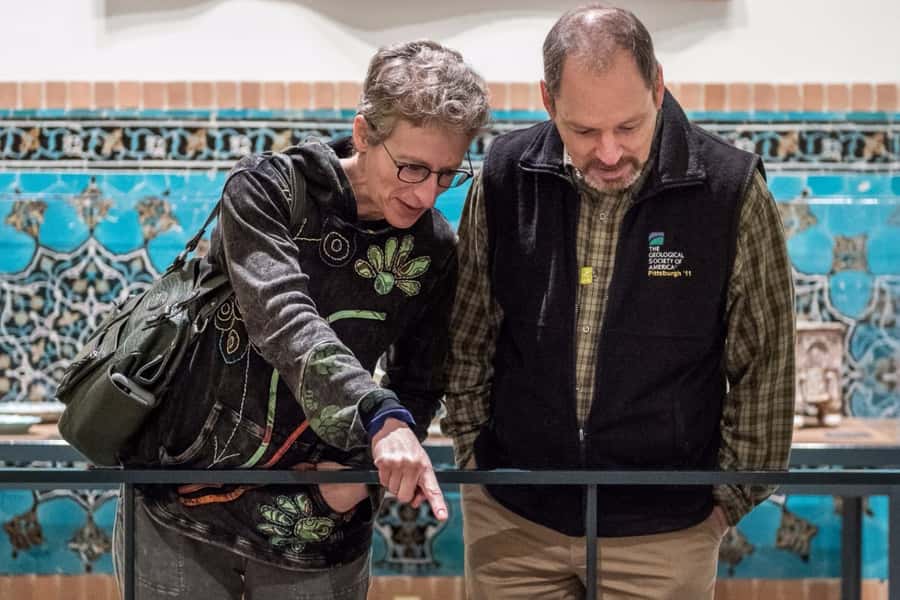
Your day starts simply: go to any admission desk when you arrive. That’s where you’ll check in, and it’s also the point to confirm what’s accessible and what’s currently showing.
Once you have access, I recommend you build your route around three “anchors” instead of trying to cover everything. The PMA is huge (the Main Building has about 200 galleries), so you’ll enjoy it more if you pick the pieces you really came for, then let your path connect the dots.
Also, use the included tools. The English audio guide is there from the start, and the museum offers free guided tours on the hour after admission. One helpful detail that comes up often is that the free guided tours can be available in a late-morning to early-afternoon window (for example, 11:00–2:00), which is a solid time to stop “wandering” and start listening.
Finally, lighten your load. A free baggage store is available for backpacks, coats, and umbrellas, so you can move through galleries without wrestling with weight. This sounds small, but it makes a longer museum visit feel easier.
Philadelphia Museum of Art Main Building: start with Impressionists you can name
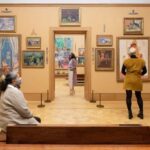
If you only have a limited amount of time, I’d start in the Impressionist galleries. The payoff is immediate because several famous works are concentrated there, not scattered randomly across the museum.
This is where you’ll get one of the visit’s clearest headline moments: Van Gogh’s Sunflowers. If you’ve only ever seen it on a screen, seeing it at full scale changes the experience. Then keep going to Monet’s world, including The Japanese Footbridge and Water Lilly Pool. Even if you don’t know all the background, you’ll feel the logic of the collection—how light, color, and reflection become the subject.
What I like about doing this first is momentum. Early in your visit, you’re still fresh enough to notice brushwork and composition, and you’re not yet worn down by scale. If you start later, you may end up rushing, and the Impressionists deserve slower looking.
One caution: the PMA is full of other major works too, so avoid the trap of drifting so long that you miss the modern wing you planned for. Pick a time limit for the Impressionists (even a rough one), then move on like you’re following a breadcrumb trail.
The museum’s “walk through time” architecture (and why it matters)
The PMA isn’t just a container for art. A huge part of the experience is how the building itself stages time and place. This is the section many people love because it’s a break from the usual frame-and-wall pattern.
You’ll encounter architectural treasures that include a medieval cloister, a Japanese teahouse, a Chinese palace hall, and a sixteenth-century Indian temple hall. Even if you’re not an architecture specialist, you’ll still feel the shift in mood—space changes how you look at nearby artworks. In some areas, you’ll slow down naturally because the rooms invite it.
This is also where the museum’s “surprise around every corner” feeling becomes real. The architecture is an object lesson in how different cultures build spaces for living, worship, and contemplation. When you move from one recreated environment to another, it turns the museum into a kind of visual travel route.
The practical downside is simple: these areas can pull you in, and you could lose time if you’re not tracking your day. My advice is to treat them like a scheduled detour. Give yourself enough time to really look, then keep your anchors in sight so you also land in the modern galleries.
Modern and contemporary stop: Picasso’s Three Musicians
After you’ve done Impressionists and architectural wandering, shift into modern and contemporary galleries with a purpose. This part of the PMA can feel like a conversation—ideas changing faster, styles less predictable, and artworks that often want you to think while you look.
A key highlight here is Picasso’s Three Musicians. Even if Picasso isn’t your usual first stop, this work is a good reason to keep moving. It offers an easy bridge between the museum’s older traditions of figure and portrait and the modern push toward stylization and abstraction.
The main risk in modern galleries is fatigue. If you try to see everything in one sweep, the experience turns into visual noise. Instead, choose one or two works as your “handle” for the rooms you enter. Look at Three Musicians long enough to spot how the figures relate to each other, then let the surrounding works build on that energy.
If you still have your energy after modern, that’s when it’s worth using the free hourly guided tours again—because a good guide can connect modern choices to earlier art in ways you might not catch alone.
More Philly museums and passes worth the ticket


Rodin Museum: the sculptures and gardens work as a set
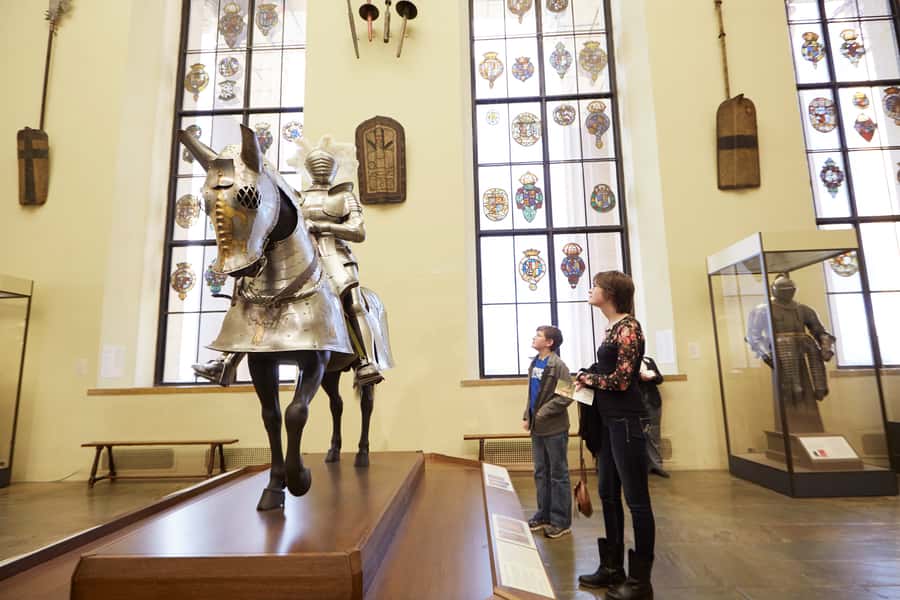
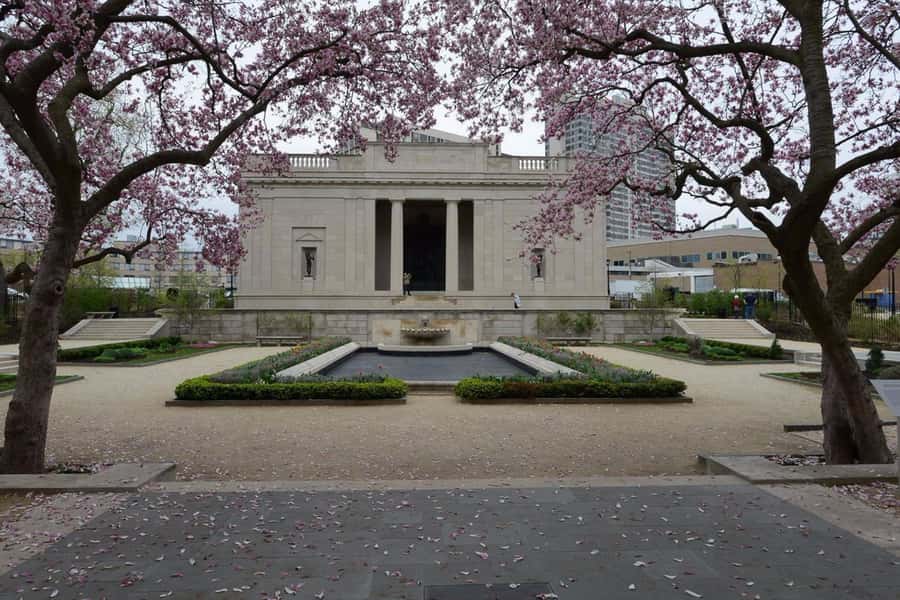
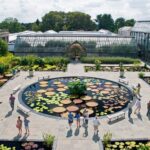
Just down the parkway, the Rodin Museum adds a completely different vibe. The setting is calmer, and the outdoor garden space acts like a breather between stops.
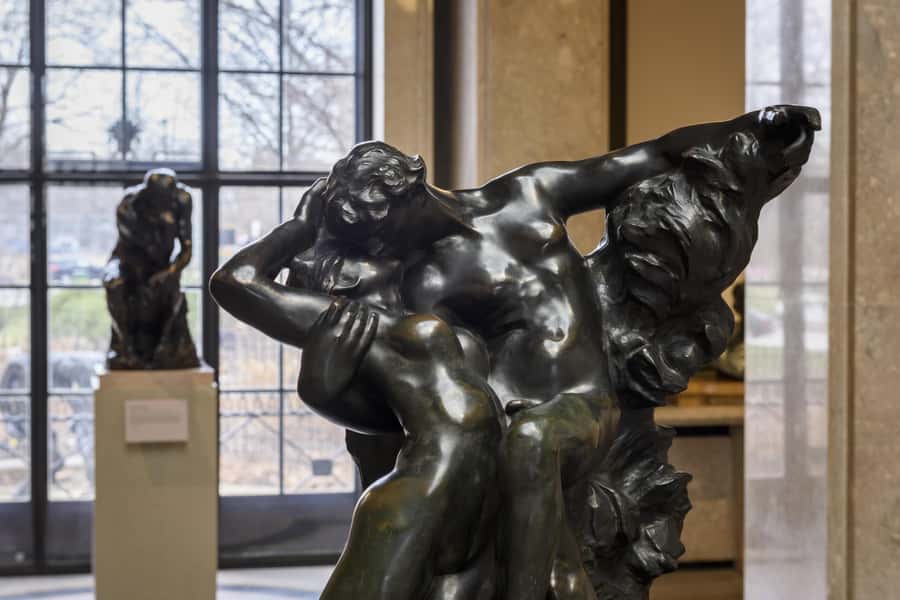
Rodin’s work is designed for you to walk around. That’s why this museum feels right: you’re not stuck viewing everything from a distance. You can take your time with the sculptures and enjoy the quiet of the garden oasis, which helps the sculptures feel more human and present.
If you’re using the two-day access option, I like the idea of pairing the PMA’s intensity with the Rodin’s slower pace. Do the PMA first when you’re mentally ready for big rooms and lots of art, then let the Rodin museum be the relaxing close. If you do everything in one day, plan to arrive at the Rodin Museum with energy saved—this is the place where a slower approach pays off.
One more scheduling point: because the Rodin Museum is closed Tuesday through Thursday, make sure your Rodin time lines up with Friday through Monday hours (10:00 AM to 5:00 PM). It’s an easy miss if you plan around the PMA and forget that the Rodin site has different closure days.
Dining and shopping near the museums without breaking your momentum
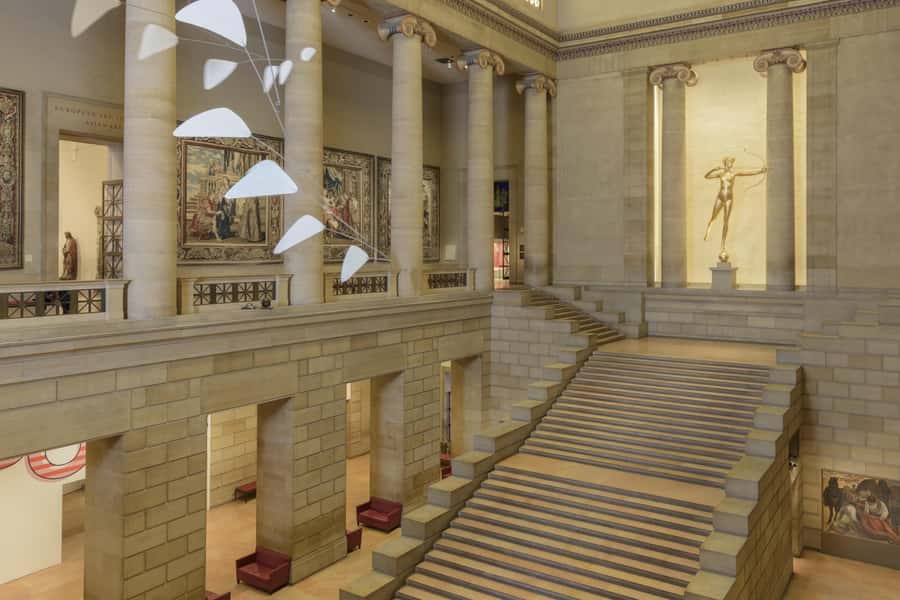
You don’t have to leave the area to eat well. The museum district is set up for day-long visits, with cafés and shops on site and nearby.
A specific standout nearby is Stir, the only Frank Gehry–designed restaurant on the East Coast. If you want a sit-down meal that still feels tied to the art scene, it’s an easy choice. If you’d rather stay light, aim for a café stop so you can keep moving without losing the rest of your day.
Shopping can also help you control your pace. The museum stores sell art-inspired items and one-of-a-kind gifts like books, jewelry, textiles, and children’s treasures. It’s a good way to wrap up without turning your day into a shopping errand.
Tip: don’t plan a long meal right before you’re heading into Rodin’s garden. Build a little buffer, then you can slow down once you arrive.
Should you book this PMA + Rodin visit?
Book it if you want a single ticket that covers two top Philadelphia art experiences with room to breathe. The combo makes sense if you like variety: Impressionists you can name, modern works that reward attention, and Rodin sculptures with outdoor space. The included English audio guide and free guided tours on the hour help you get more meaning from what you see, and the guidance quality is a major part of what people tend to praise—especially the way docents explain the art.
Skip it only if you already know you want one narrow lane. If you only care about a small subset of art styles, the PMA’s size may feel like extra work, and you might get more satisfaction choosing a single focused museum visit instead.
If you’re flexible, I’d do this: spend your strongest energy in the PMA Impressionists and architecture, then save calmer time for Rodin. That mix gives you variety without turning the day into a sprint.
FAQ
Is an audio guide included?
Yes. An English audio guide is included.
Are guided tours available during the visit?
Yes. Guided tours are offered to the public free after admission on the top of the hour.
Does one ticket cover both museums?
Yes. One ticket allows 2 day access to the museum’s Main Building and the Rodin Museum.
When is the Rodin Museum open?
The Rodin Museum is open Friday to Monday, 10:00 AM to 5:00 PM, and it is closed Tuesday through Thursday.
What are the Philadelphia Museum of Art Main Building hours?
The Main Building is open Thursday to Monday, 10:00 AM to 5:00 PM, and it stays open until 8:45 PM on Friday evenings. It is closed on Tuesday and Wednesday.
Where do I check in when I arrive?
Check in at any of the Admission desks upon arrival at 2600 Benjamin Franklin Pkwy, Philadelphia PA 19130.
Are there restrictions on what I can bring?
Yes. Weapons or sharp objects are not allowed.
More Tour Reviews in Philadelphia






More Philly Museums and City Passes
The Mural Mile and the Art Museum

Fresh Off the Press: Latest Philadelphia Reviews









Museum Tickets & City Passes, compared.
 ★ 4.2Museum of Illusions Timed Entrance TicketFrom $31244 reviews
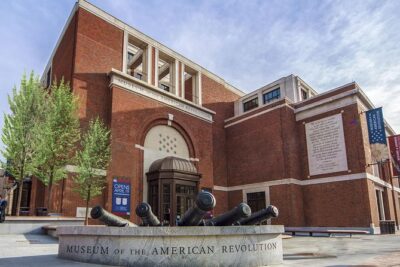 ★ 4.5Museum of the American Revolution Admission Ticket with Audio Guided OptionFrom $25187 reviews
 ★ 4.8Museum of the American Revolution EntryFrom $2790 reviews
 ★ 4.4Go City All-Inclusive Pass w/ 30+ AttractionsFrom $5986 reviews
 ★ 4.0Philadelphia Pass: 30+ Things To Do including Philadelphia ZooFrom $5982 reviews
 ★ 4.6The Barnes Foundation Entry TicketFrom $3049 reviews
 ★ 4.3Official Sesame Place Entry TicketFrom $5046 reviews
 ★ 4.5Penn Museum Admission TicketFrom $2343 reviews
Browse the lists this tour appears in