
Reviewed · REVOLUTIONARY PHILADELPHIA & THE FOUNDERS
Philadelphia: Small-Group Hamilton Walking Tour
Hamilton in Philadelphia feels close-up and real. This small-group walking tour turns the Broadway story into street-level context, using short musical excerpts along the way to connect lyrics with actual places. You start at the President’s House site, move through Independence Hall and the banks, and end with the final notes near Christ Church.
What I like most is the balance: you get smart factual history and you also get the rhythm and wordplay that make Hamilton stick in your brain. Also, with the guide name you’ll likely hear—Reid—expect confident storytelling that keeps the group moving and thinking. One drawback: the tour runs rain or shine and involves a lot of walking, so it’s not the best choice if you tire easily.
In This Review
- Key moments worth circling
- Hamilton Walking Tour: the Founding Story You Can Walk
- Meeting Point at Independence Visitor Center and How the Walk Works
- President’s House Site to Independence Hall: Washington’s World, Then the Constitution
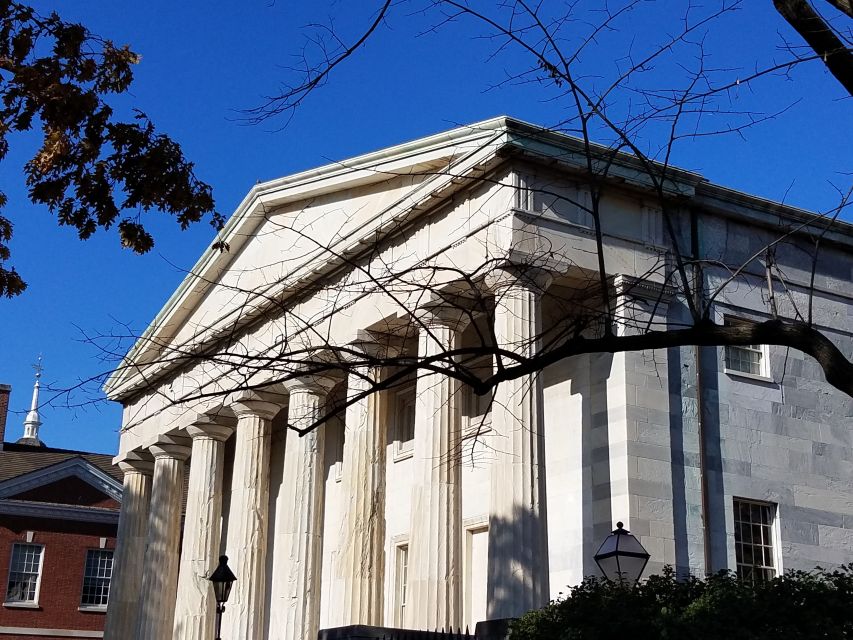
- Second Bank of the United States: Why Money Became Politics
- Carpenter’s Hall: Congress, Decisions, and the Ground You Stand On
- First Bank of the United States: The Institutional Side of Hamilton
- Maria Reynolds Locations: The Human Story Under the Headlines
- Robert Morris’ Grave and the Finish at Christ Church
- Price, Pace, and Who This Tour Is Actually For
- The Guide Factor: Why Small-Group Storytelling Matters
- Should You Book This Hamilton Walking Tour?
- FAQ
- How long is the Philadelphia Hamilton walking tour?
- What is the meeting point for the tour?
- Where does the tour start and end?
- What’s included in the tour price?
- Does the tour run rain or shine?
- Is the tour wheelchair accessible?
- Is hotel pickup included?
- What should I bring?
- Is this tour suitable for young children?
Key moments worth circling
- Independence Hall + the Constitution: see the room where the U.S. Constitution was written and hear what mattered next
- Two bank stops: a guided look at the Second Bank of the U.S. and the First Bank and why money policy became nation policy
- Carpenter’s Hall: connect the Revolutionary political crunch to the early structures of U.S. finance
- Maria Reynolds locations: learn the real-life story behind a key Hamilton-era relationship
- Guides mix music with history: short excerpts, and in one case a rap-style approach helped make the timeline easier to follow
Hamilton Walking Tour: the Founding Story You Can Walk
If you know Hamilton mostly as songs, this tour helps you translate the music into places. You’re not just looking at landmarks. You’re tracing how the new United States tried to govern itself—politically, financially, and socially—using real addresses and real institutions.
Philadelphia is perfect for this kind of walk. Most of the key sites are close enough that you can connect them in one stretch, so the story doesn’t get chopped into separate trips. With a small group, you also get more give-and-take than you’ll find on the big, fast “see everything” tours.
And yes, there’s music. Short excerpts run through the walk, so you get a pattern: fact, context, then a song moment that ties it together. More than one guide fan-style review noted that singing along (or hearing the words paced out) makes the information easier to hold onto.
Back to 1776 and the men who signed here


Meeting Point at Independence Visitor Center and How the Walk Works
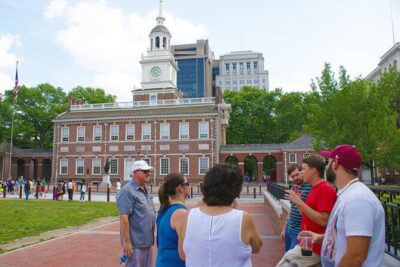
You meet just inside the Independence Visitor Center, at the gift shop. The guide will be easy to spot: a black messenger bag and a Hamilton baseball cap. It’s a good setup because you can get oriented before you start—no hunting around Old City in the first five minutes.
The tour lasts about 150 minutes, and it’s designed to keep you moving. Expect short guided segments and short sightseeing windows at each stop, which is actually smart: you get the story plus enough time to look up, take a photo, and get your bearings.
Two practical notes matter. First, the tour runs rain or shine, so pack for weather. Second, while it’s wheelchair accessible in the sense that you’re on sidewalks, the walking is still substantial and the route isn’t described as easy. If mobility is a challenge, you’ll want to think hard about your pace before you commit.
President’s House Site to Independence Hall: Washington’s World, Then the Constitution
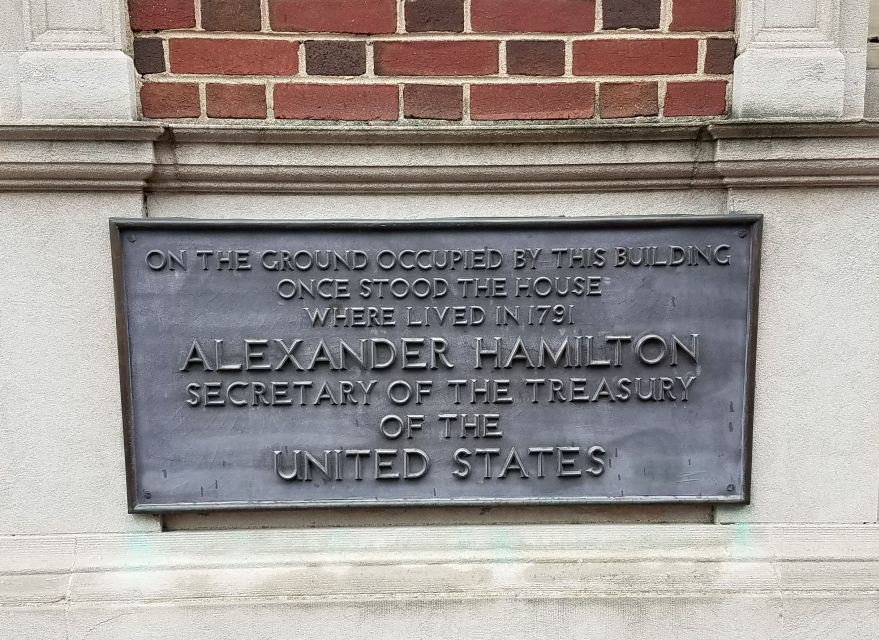
The tour begins where the early executive power formed: the President’s House Site. This isn’t a museum stop where you just read a plaque. It’s the starting point for the presidency story—specifically the fact that George Washington and John Adams spent much of their presidencies nearby. That detail helps you understand the vibe of the early U.S.: the system was being invented while people were still living inside it.
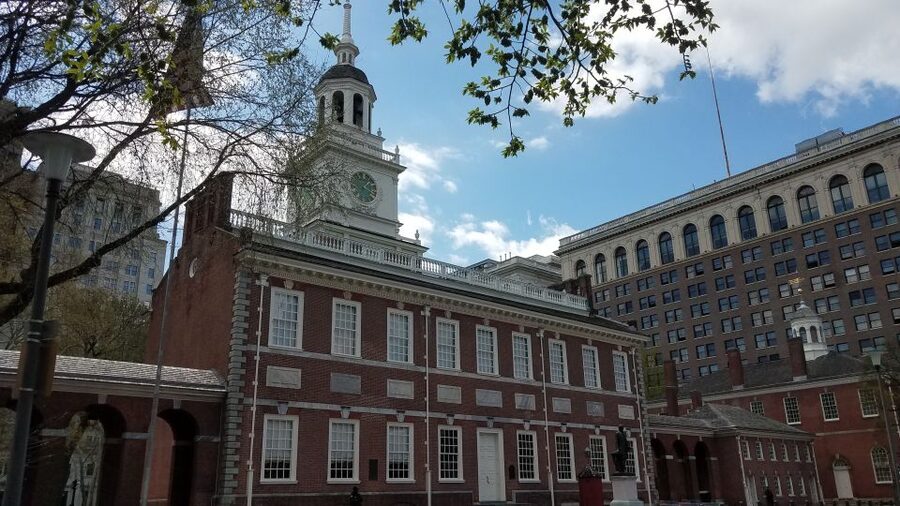
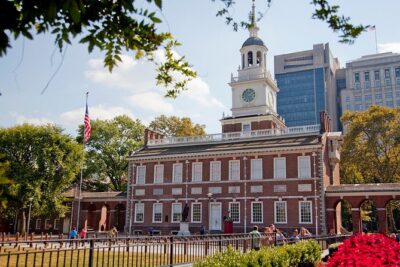
From there you head to Independence Hall, the headline location that anchors everything. Here, the U.S. Constitution was written, and the guide tour segment gives you the framing for what that meant. You’ll also get the sense that the Constitution wasn’t just a document—it was a solution to problems the leaders kept running into.
What makes this first half feel valuable is the order. You start with leadership power, then you move to the governing framework. That sequence makes later stops—especially money and institutions—make more sense. It’s easier to see why Hamilton’s ideas mattered when you understand the problem they were trying to solve.
Second Bank of the United States: Why Money Became Politics
Next up is the Second Bank of the United States. This stop is brief, but it carries big weight because it connects economics to policy decisions at the national level. The tour ties it to President James Madison and the choices leaders made about stabilizing the young nation’s finances.
Here’s the real payoff for your brain: the bank stop acts like a bridge between the musical drama and the practical reality. Hamilton’s story isn’t only court intrigue and political speeches. It’s also budgets, credit, and confidence. Watching how money moved in the early republic makes the “why” behind famous moments clearer.
Also, if you like when a guide makes complex stuff feel understandable, this is a good sign of fit. Several reviews praised how the guide’s storytelling connects details tightly—one person even highlighted that the guide used Hamilton songs to amplify historical background, which is exactly what you want at a place like this.
Carpenter’s Hall: Congress, Decisions, and the Ground You Stand On
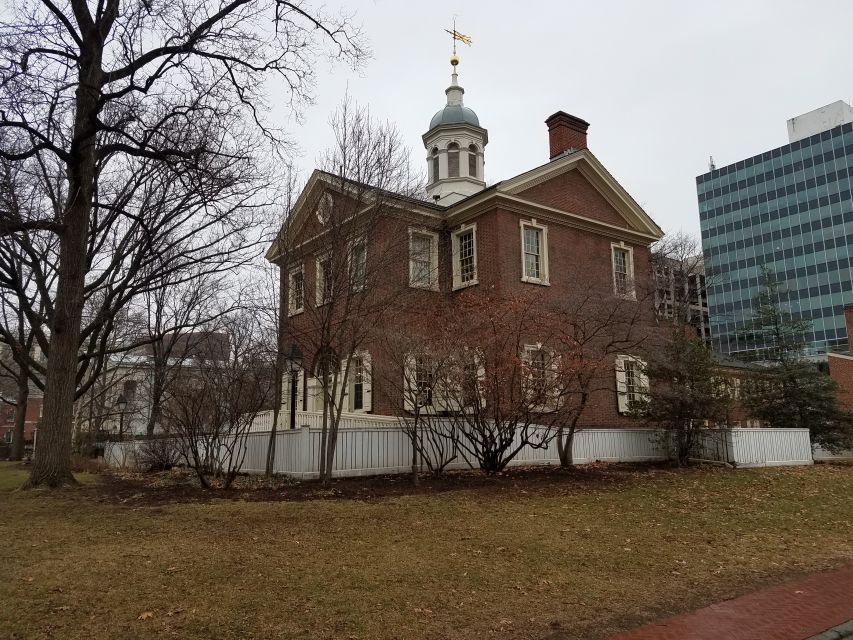
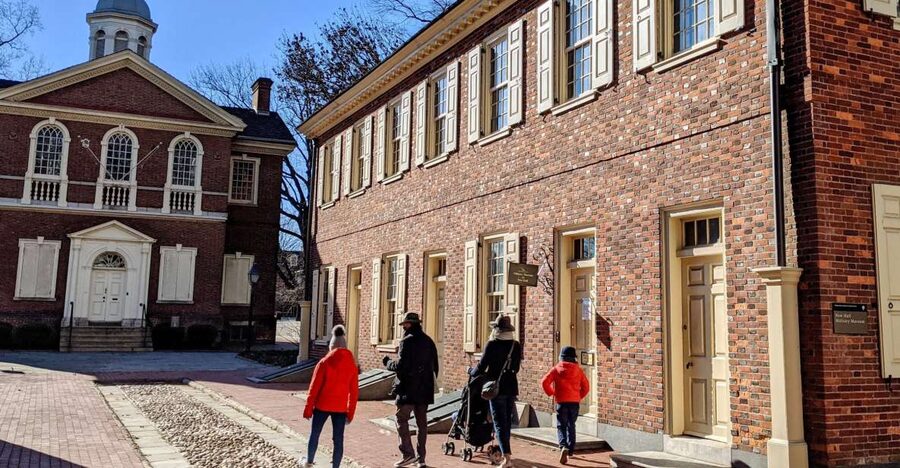
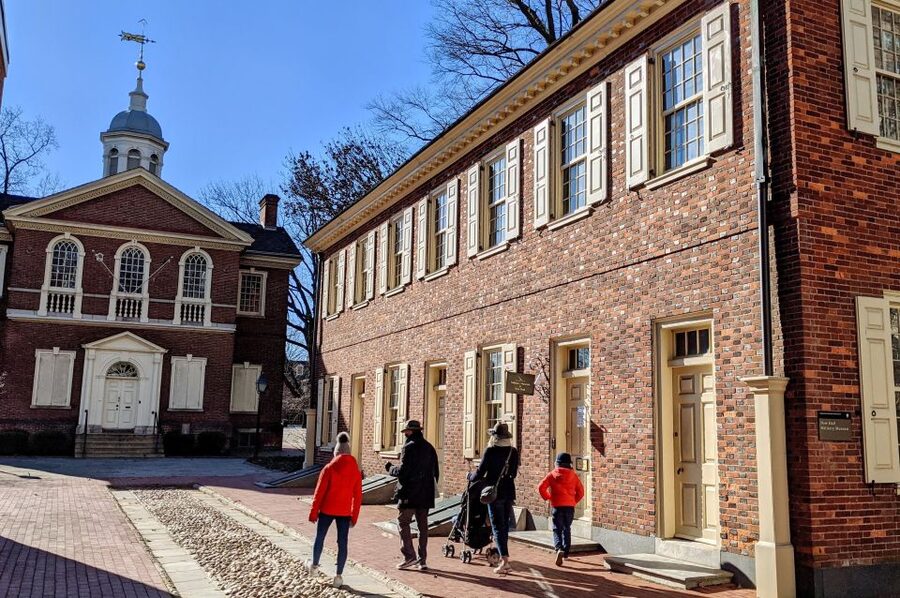
Then you reach Carpenter’s Hall. This is one of those places where the building matters because of what happened inside it. The tour highlights Carpenter’s Hall as home to the 1st Continental Congress and as connected to early U.S. financial institutions, including the 1st Bank of the United States.
Even when you only get a short sightseeing window, Carpenter’s Hall does something useful: it brings the political argument into physical space. It’s hard to overstate how often the early U.S. had to negotiate its identity in meetings like this. You’re not just seeing where history happened—you’re seeing where decisions formed.
This stop also tends to work well for Hamilton fans who want the “real life behind the lyrics” vibe. Broadway condenses, dramatizes, and speeds up. Carpenter’s Hall gives you a slower, more grounded look at how leaders organized their arguments.
Philly at a walking pace, more routes





First Bank of the United States: The Institutional Side of Hamilton
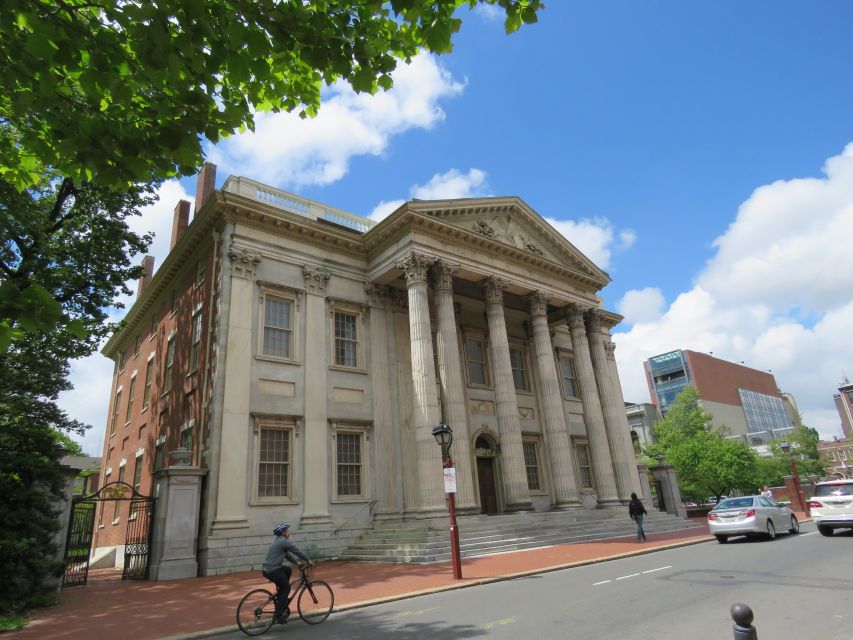
After Carpenter’s Hall, you visit the First Bank of the United States. The tour keeps returning to banks for a reason: they’re where ideology became structure. The early United States didn’t have centuries of established systems. It had to build them—and Hamilton is strongly tied to that project.
This is where the musical excerpts can help, even if you’re not a “sing every song” person. When facts come with a melody or lyric prompt, you remember the storyline later. One review specifically mentioned that the guide sang along so the group could follow the information as the song words moved quickly. That’s the kind of teaching trick that works on real people, not just on paper.
A practical tip: have your phone ready for photos of architectural details. Even if you don’t catch every angle, the buildings themselves help you picture where people walked, met, and argued.
Maria Reynolds Locations: The Human Story Under the Headlines
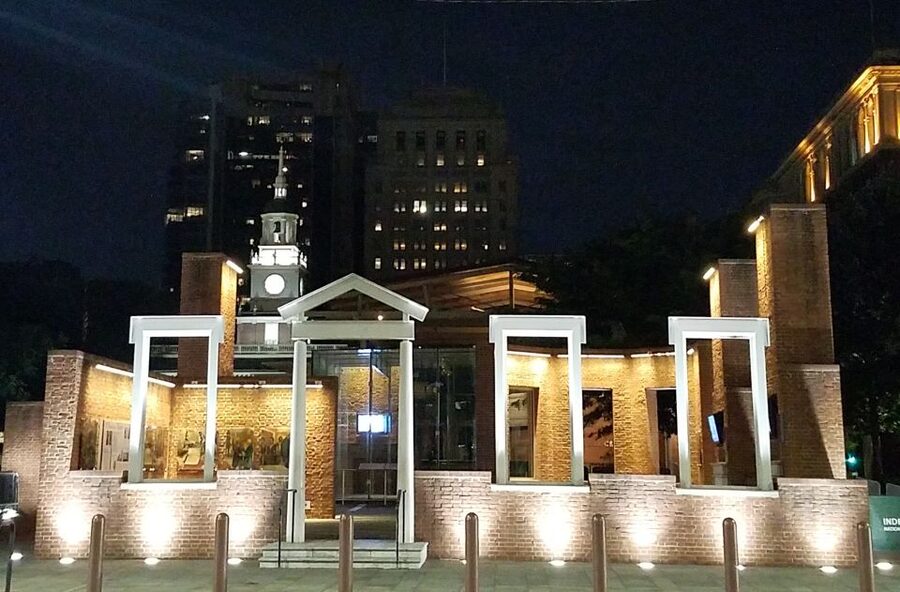
One of the most distinct parts of the tour is the stop at the home connected to Alexander Hamilton’s short-term mistress Maria Reynolds. This isn’t treated like gossip for its own sake. The tour frames it as part of the real human landscape around Hamilton—how personal relationships intersected with public reputation and political survival.
This stop matters because Hamilton the musical can make history feel like pure performance. Maria Reynolds is one of those threads that reminds you history involved real people, real choices, and real consequences. You also get a clearer sense of why Hamilton’s public persona was so fragile.
If you’re a Hamilton obsessive, this is likely your favorite segment. If you’re more of a casual fan, it still works because it adds stakes and texture. You come away thinking, Oh—so the song storyline has an address, not just a plot.
Robert Morris’ Grave and the Finish at Christ Church
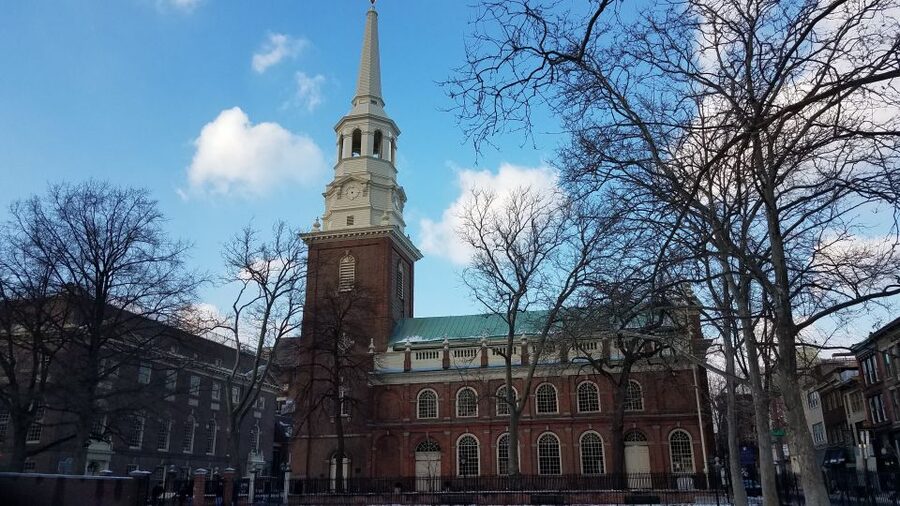
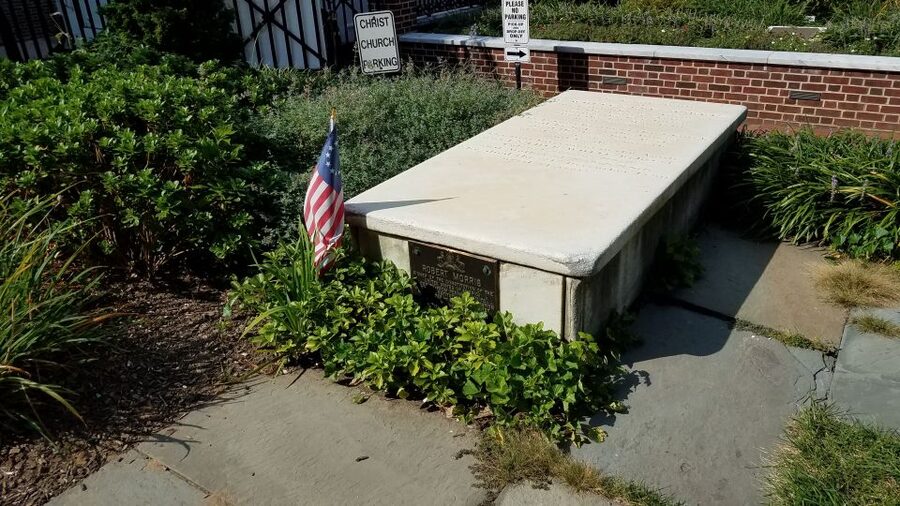
The tour ends at Christ Church, with Robert Morris’ grave described as the last stop. If you’ve ever wondered why Hamilton stories keep circling money and influence, Morris helps explain part of the network. He’s connected to the financial side of the Revolutionary era and the early republic’s struggles.
Finishing at Christ Church gives the walk a natural emotional landing. It shifts you from “meeting place history” to “legacy history.” You’re standing where a major figure is remembered, and the tour closes by pulling threads together.
This is also where you can get help for the next move. The guide is set up to point you toward the nearest subway station or bus stop. If you want food afterward, ask for recommendations near you. That kind of local guidance is where a good walking tour earns its keep.
Price, Pace, and Who This Tour Is Actually For
At $45 per person for about 150 minutes, the value depends on what you want.
If you want a quick photo circuit, this isn’t the cheapest option. But if you want a guided story that combines places, context, and musical excerpts, it’s priced in a reasonable middle zone for a specialized small-group experience. You’re paying for interpretation—someone takes the complicated early U.S. narrative and makes it understandable on a sidewalk.
The pace is also a fit question. The tour includes a substantial amount of walking and is held rain or shine. There’s no hotel pickup, so you should plan to start and finish on your own. Comfortable shoes aren’t optional. If your legs are reliable, you’ll probably find the walking manageable for a city tour.
Who it suits best:
- Hamilton fans who want real locations behind the songs
- History-minded people who like stories with a narrative thread, not just dates
- Anyone who appreciates a guide who can explain politics and finance without turning it into a lecture
Who should rethink it:
- Children under 10, since it’s not listed as suitable
- People with mobility impairments, since wheelchair access is described as possible but not easy, and the walking is substantial
The Guide Factor: Why Small-Group Storytelling Matters
In a tour like this, the guide is the difference between information you forget and a story that stays with you. The reviews consistently point to Reid and his delivery style: fluent storytelling, tight facts, and a playful music element.
One review notes a surprise element—when the guide began rapping using songs from Hamilton to build historical background—and it worked because it matched the tour’s theme. Another praises how detailed the facts were, even for a Hamilton-obsessed kid. That’s a strong sign the tour doesn’t just work for adults who already know the material.
There’s also the “real day” detail: one review mentioned the guide found shady places to sit during a warm day. That’s not glamorous, but it’s smart. A walking tour succeeds when the guide reads the weather and the group’s energy, not just the script.
Should You Book This Hamilton Walking Tour?
I’d book it if you’re the kind of person who wants Hamilton to mean more than lyrics. This tour gives you real addresses, real institutions, and human context—then uses music excerpts to help you keep the storyline straight. The small-group size plus an energetic guide like Reid makes it feel like a focused conversation on foot.
I’d skip it if you want minimal walking, or if you’re not interested in Hamilton at all. This is a specialty experience, and it leans into the connection between Broadway and the founding era.
If you do decide to go, wear comfortable shoes, bring a camera, and plan for weather. And when you finish, stick around in the area—Old City is easy to explore once the story has synced up in your head.
FAQ
How long is the Philadelphia Hamilton walking tour?
The tour duration is about 150 minutes.
What is the meeting point for the tour?
You meet just inside the Independence Visitor Center at the gift shop.
Where does the tour start and end?
It starts at the President’s House Site and finishes at Christ Church (with Robert Morris’ grave as the last stop).
What’s included in the tour price?
The tour includes a small-group tour, a local guide, and musical excerpts.
Does the tour run rain or shine?
Yes, the tour takes place rain or shine.
Is the tour wheelchair accessible?
It is described as wheelchair accessible because it is on sidewalks, but it is not easy, with substantial walking.
Is hotel pickup included?
No, hotel pickup and drop-off are not included.
What should I bring?
Bring comfortable shoes, a camera, and weather-appropriate clothing.
Is this tour suitable for young children?
It is not suitable for children under 10.
More Tours in Philadelphia



More Tour Reviews in Philadelphia
Revolutionary Philadelphia, a Little Further

Fresh Off the Press: Latest Philadelphia Reviews












Revolutionary Philadelphia & the Founders, compared.
 ★ 5.0Revolution and the Founders: History Tour of PhiladelphiaFrom $292,944 reviews
 ★ 5.02.5 Hour Philadelphia History Tour with Washington War Tent ShowFrom $45924 reviews
 ★ 4.6Revolution and The Founders History TourFrom $29450 reviews
 ★ 4.9History, Highlights & Revolution Walking TourFrom $45317 reviews
 ★ 4.8Revolutionary Walk Through Historic Old CityFrom $35208 reviews
 ★ 4.5Museum of the American Revolution Admission Ticket with Audio Guided OptionFrom $25187 reviews
 ★ 4.5Founding Phantoms Adult’s Only Walking TourFrom $3498 reviews
 ★ 4.8Museum of the American Revolution EntryFrom $2790 reviews
Browse the lists this tour appears in