

Reviewed · MUSEUM TICKETS & CITY PASSES
Philadelphia: The Franklin Institute Entry Ticket
Space science feels close at the Franklin Institute. With your general admission, you get multi-sensory Wondrous Space and access to hands-on exhibits across three levels, plus daily live science shows. I love how it turns huge questions about the universe into things you can see and try, not just read.
I also like that the day is built around real demonstrations, including live science shows tied to liquid nitrogen, combustion, and electricity, with daily hands-on elements like dissections. One thing to consider: some older exhibits may feel like they need attention, so expect a bit of wear in places.
In This Review
- Key highlights worth planning around
- A Franklin Institute ticket that works like a full science day
- Getting in fast: QR code, wristband, and your day flow
- What 3 floors of interactive exhibits feels like in real life
- Wondrous Space: the multi-sensory cosmic start that sets the mood
- Daily live science shows: liquid nitrogen, combustion, electricity
- The day you should plan around: dissections and hands-on learning
- SportsZone: science on the turf (and why it makes sense)
- Fels Planetarium: cutting-edge night sky presentations
- How to pace a 1-day visit without feeling rushed
- Price and value: is $29 a fair deal?
- Who this ticket is best for (and who should reconsider)
- Final verdict: should you book this Franklin Institute ticket?
- FAQ
- FAQ
- How much does the Franklin Institute entry ticket cost?
- How long is the experience valid for?
- What’s included with general admission?
- Are special exhibits included?
- Where do I check in when I arrive?
- Can I leave and re-enter the museum?
- Are large bags allowed inside?
- What planetarium content is included?
- What should I do before I visit?
- Is there a cancellation option?
Key highlights worth planning around
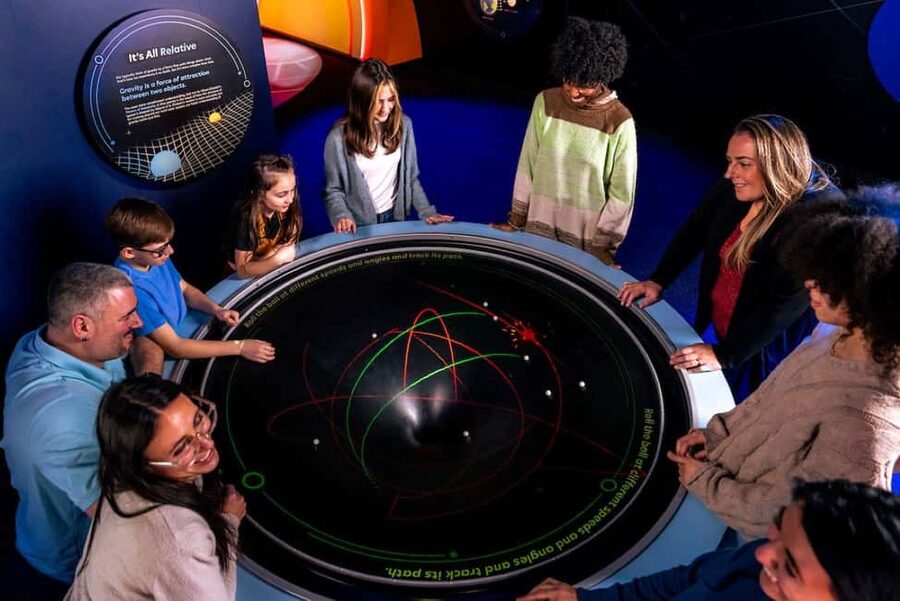
- Wondrous Space multi-sensory cosmic journey with hands-on, sensory effects
- Daily live science shows and dissections that make learning feel immediate
- SportsZone where you connect sports and science on the turf
- Fels Planetarium with cutting-edge night sky presentations
- 3 floors of interactive exhibits focused on both the universe and the human body
A Franklin Institute ticket that works like a full science day

If you want a museum day that actually keeps moving, this Franklin Institute entry ticket is a strong choice. You’re paying for access to the museum’s main engine: interactive exhibits on three floors, plus daily shows and planetarium programming. That combination matters, because science museums can be hit-or-miss when you only have time for one room. Here, the schedule gives you reasons to come back throughout the day.
You also get the museum’s core theme right in your face: it’s built around education and research, honoring America’s first scientist, Benjamin Franklin. That shows up in the tone. It’s curious, practical, and hands-on. It’s not science as a poster on the wall. It’s science as a thing you can test, watch, and talk about.
The price is $29 per person, and value comes from how much you’re allowed to do with one admission. You’re not just buying a ticket to a single attraction. You’re buying a day with multiple formats: exhibits, live demos, and planetarium shows. If you plan even a little, you can fill the day without standing around too much.
More Philly museums and passes worth the ticket



Getting in fast: QR code, wristband, and your day flow
Before you even think about exhibits, do the simple part correctly. Scan your QR code at the entrance to receive your wristband. That wristband is your key for the rest of the day, including re-entry if you step out.
Why this matters: a busy museum day is easier when you don’t have to “start over” after a break. The museum allows you to leave and re-enter using your wristband, so you can handle things like snacks, a bathroom break, or a quick regroup without losing your spot.
Also note the practical limit: luggage or large bags aren’t allowed. If you’re traveling light, great. If you’re carrying a bigger bag, plan for it before you arrive so you’re not stuck making decisions at the door.
What 3 floors of interactive exhibits feels like in real life

This ticket gives access to three floors of interactive science exhibits, covering big topics like the mysteries of the universe and the intricacies of the human body. That range is exactly what I’d look for if I’m visiting with mixed interests in the same group. One person wants space. Another wants biology. The museum layout supports both.
You’ll find that these exhibits are designed for active participation. That means you should expect waiting sometimes, because popular hands-on stations draw crowds. My practical advice: don’t chase every single thing. Pick a few “must do” areas and let the rest be bonus discoveries.
One more detail that can shape your day: some exhibits may be older and need repairs or refreshers. Don’t let that scare you off. It’s more about expectation-setting. The overall experience is still strong, and the best parts are usually the most interactive ones you’ll want to prioritize.
Wondrous Space: the multi-sensory cosmic start that sets the mood

Wondrous Space is a key reason people like this ticket. It’s a journey through the cosmos using multi-sensory effects. In practice, that means you get science learning with atmosphere—sound, visuals, and immersive presentation that help the scale of space feel real.
This is also a smart “first major stop.” Starting here early helps your brain switch gears. You go from regular city life into science mode. Then the rest of the museum feels more connected instead of like separate rooms.
If you’re traveling with kids, this kind of exhibit often reduces the usual museum friction. It’s harder to get bored when the room is built to capture attention through senses, not just information.
Daily live science shows: liquid nitrogen, combustion, electricity
A big advantage of this ticket is that you get daily live science shows and demonstrations included. The lineup you can catch includes shows connected to liquid nitrogen, combustion, and electricity. These are classic science themes because they demonstrate how physics and chemistry show up in everyday life—heat transfer, chemical reactions, energy flow.
Here’s how to make the most of the live part:
- Arrive a little early for the seats so you’re not stuck at the edges.
- Treat the shows like mini lectures. Watch first, then look for the “why” in how the demonstration works.
- Use the show as a bridge to the exhibits afterward. When you’ve seen the concept in action, the interactive stations start to feel more relevant.
Live demos also give you a natural rhythm for the day. Instead of walking nonstop, you get structured moments. That’s helpful if you’re visiting with anyone who gets tired of constant movement.






The day you should plan around: dissections and hands-on learning
This ticket includes daily shows and dissections. Whether you’re squeamish or curious, dissections are usually the kind of experience that makes science feel real. You’re seeing how scientific study is done, not just reading about it.
I can’t tell you what your comfort level will be, but I can tell you how to plan for success. If you’re sensitive to the topic, check the daily schedule before you go and decide where you want that moment in your day. Put it earlier when you have energy, not late when you’re worn out.
And if you’re the type who loves hands-on learning, this is exactly the area to prioritize. It’s educational and grounded, and it fits the museum’s broader mission of sparking curiosity and a passion for science.
SportsZone: science on the turf (and why it makes sense)

SportsZone is another highlight that’s more clever than it sounds. The idea is simple: connect sports and science, and then let you test what you’ve learned through interactive play. It’s not just about being active. It’s about understanding the mechanics behind performance and movement.
If you like practical, real-world science, this is one of the best places to spend time. Sports are full of physics: force, motion, speed, balance, and how equipment and technique affect outcomes. When you can tie those ideas to something you’re doing, the learning sticks.
This also helps your group dynamics. Even if someone isn’t into the planetarium, SportsZone gives them a chance to enjoy the day through physical interaction.
Fels Planetarium: cutting-edge night sky presentations
The Fels Planetarium is included with your admission, and planetarium shows are part of what you’re paying for. This is where you get the “wow” factor that science museums are famous for, but with a focused payoff: the night sky presented through high-quality, cutting-edge programming.
Plan to catch a show, not just wander past. Planetarium presentations work best when you treat them like an event. Give yourself time to find seats, get settled, and then turn off the museum multitasking.
If you’re visiting during a time when the real sky might be disappointing due to weather or city light, this is the dependable alternative. The planetarium delivers a controlled experience of the universe—one you can take home in your head afterward.
How to pace a 1-day visit without feeling rushed

You’ve got one day of validity, so your schedule should be simple and realistic. The museum even notes that you should check the daily schedule, and you really should. The live shows and planetarium programming are part of the included experience, and timing is everything when you only have one shot.
Here’s a pacing plan that usually works well:
- Start with Wondrous Space and one interactive floor.
- Catch a live demo around midday when you’re fully awake.
- Fit in SportsZone during your energy peak.
- Save the planetarium for later in the day so you end with something immersive.
This kind of ordering avoids the most common mistake: trying to “power walk” every exhibit first. That makes the shows feel like interruptions. Instead, use shows as anchor points, and let exhibits fill the gaps.
Also, because you can re-enter with your wristband, you can add small breaks without losing your place. If you need a reset, step out, grab a drink, and come back.
Price and value: is $29 a fair deal?
At $29 per person, this ticket isn’t cheap, but it also isn’t asking you to gamble on one attraction. You’re paying for:
- Access to permanent interactive exhibits across three floors
- Included daily live science shows and dissections
- Included Fels Planetarium access and planetarium shows
That’s a lot of content for one price. Value improves if you actually use it. If you’re the type who spends 10 minutes in each area and plans around the showtimes, you’ll feel like you got your money’s worth.
Where value can drop is when you ignore the schedule. If you arrive with no plan and miss key showtimes, you’re left with exhibits only—and then the price starts to feel steeper. So make the schedule check your first task after you arrive.
Who this ticket is best for (and who should reconsider)
This is a great fit if you want a full science day in Philadelphia with variety: space, human body learning, live demonstrations, interactive sports-science play, and planetarium programming.
You’ll likely enjoy it most if you:
- Like hands-on exhibits rather than passive displays
- Want both spectacle and education
- Need something that works for mixed ages or mixed interests in the same group
- Appreciate live science demos and want to see concepts in action
It may be less ideal if you:
- Hate any kind of live demonstration crowds or waiting
- Are extremely sensitive to dissections (plan your timing accordingly)
- Are traveling with a large bag you can’t store, since luggage or large bags aren’t allowed
Final verdict: should you book this Franklin Institute ticket?
Yes, I’d book it if you’re planning a one-day museum hit and you want more than one type of science experience. The mix of Wondrous Space, daily live shows (including liquid nitrogen, combustion, and electricity), SportsZone, and the Fels Planetarium gives you enough variety that the day doesn’t rely on one single attraction going perfectly.
If you do one thing to boost your odds: check the daily schedule before you commit your day to the museum. Then build your route around the showtimes. That’s the difference between a good visit and a great one.
FAQ
FAQ
How much does the Franklin Institute entry ticket cost?
The ticket price is $29 per person.
How long is the experience valid for?
Your ticket is valid for 1 day, for the date you booked.
What’s included with general admission?
General admission includes access to 3 floors of interactive science exhibits, daily live science shows and dissections, and Fels Planetarium and planetarium shows.
Are special exhibits included?
No. Special exhibit entry tickets are not included.
Where do I check in when I arrive?
Scan your QR code at the entrance to receive your wristband.
Can I leave and re-enter the museum?
Yes. You can leave and re-enter using the wristband provided upon check-in.
Are large bags allowed inside?
No. Luggage or large bags are not allowed.
What planetarium content is included?
Fels Planetarium and planetarium shows are included with your ticket.
What should I do before I visit?
Check the daily schedule before your visit, since showtimes matter for the included experiences.
Is there a cancellation option?
Yes. You can cancel up to 24 hours in advance for a full refund.
More Tour Reviews in Philadelphia
More Philly Museums and City Passes



Fresh Off the Press: Latest Philadelphia Reviews












Museum Tickets & City Passes, compared.
 ★ 4.2Museum of Illusions Timed Entrance TicketFrom $31244 reviews
 ★ 4.5Museum of the American Revolution Admission Ticket with Audio Guided OptionFrom $25187 reviews
 ★ 4.8Museum of the American Revolution EntryFrom $2790 reviews
 ★ 4.4Go City All-Inclusive Pass w/ 30+ AttractionsFrom $5986 reviews
 ★ 4.0Philadelphia Pass: 30+ Things To Do including Philadelphia ZooFrom $5982 reviews
 ★ 4.6Philadelphia Museum of Art and The Rodin MuseumFrom $3055 reviews
 ★ 4.6The Barnes Foundation Entry TicketFrom $3049 reviews
 ★ 4.3Official Sesame Place Entry TicketFrom $5046 reviews
Browse the lists this tour appears in