
Reviewed · OLD CITY WALKING TOURS
90 Minute History Walking Tour of Old City Philadelphia
Old City history hits you at walking speed. I love the way this tour ties key American moments to real street corners around Independence Hall and I also love the photo-friendly stop on Elfreth’s Alley, where you can see what the 1700s looked like. The main consideration: several big-name sights are viewed from the outside or in courtyards, so plan this as a story-and-street tour, not a museum ticket.
You’ll get a local English-speaking guide (with a maximum group size of 16), plus a friendly vibe for chatting with like-minded people. I also like that the guide doesn’t just stop at history lessons; they’ll often share practical recommendations for the rest of your Philadelphia time. If you want a very strict, no-personal-opinion approach, keep in mind that one past guest felt the guide’s style leaned too political for their taste.
In This Review
- Key highlights you’ll notice right away
- Starting at Signer’s Garden: getting your bearings fast
- Independence Hall: the building behind 1776 and 1787
- Liberty Bell pass-by: seeing a symbol from the street
- Franklin by his resting place: history you can almost touch
- The U.S. Mint stop: coins, power, and everyday meaning
- Betsy Ross outside her home: the legend, explained on the sidewalk
- Quaker meetinghouse courtyard: religion in early Philadelphia
- Elfreth’s Alley: the 1700s street you can actually walk
- Guide style matters: what past guests suggest to look for
- Price and timing: is $29 really good value?
- Who this tour fits best (and who should choose differently)
- Practical planning tips for your Old City day
- Should you book this Old City history walking tour?
- FAQ
- How long is the 90 minute Old City Philadelphia history walking tour?
- How much does the tour cost?
- Where does the tour start and where does it end?
- What’s included in the price?
- Is the tour mostly outside?
- What do I need to bring or how will I get my ticket?
- Can I cancel, and is a service animal allowed?
Key highlights you’ll notice right away
- Independence Hall context that connects the Declaration moment in 1776 to the Constitution creation in 1787.
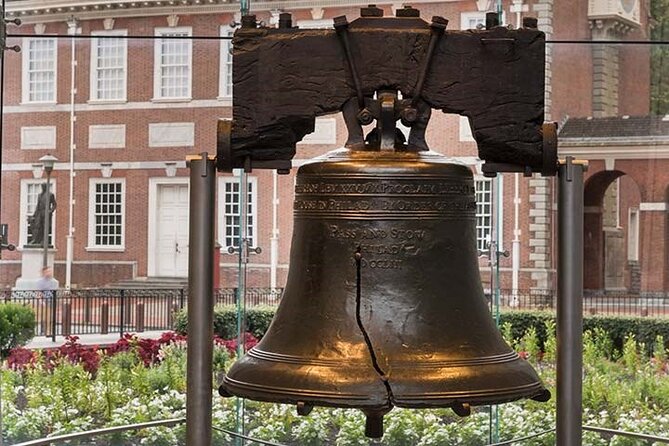
- Liberty Bell pass-by with outside views and the story of how it became the symbol people know today.
- Benjamin Franklin stop next to his resting place, with his roles as printer, politician, scientist, and philanthropist.
- U.S. Mint viewpoint framed around everyday history: coins and the new nation’s money.
- Betsy Ross story outside her home, with the first American flag legend explained at street level.
- Elfreth’s Alley stroll along the oldest continuously residential street in the former 13 British Colonies.
Starting at Signer’s Garden: getting your bearings fast
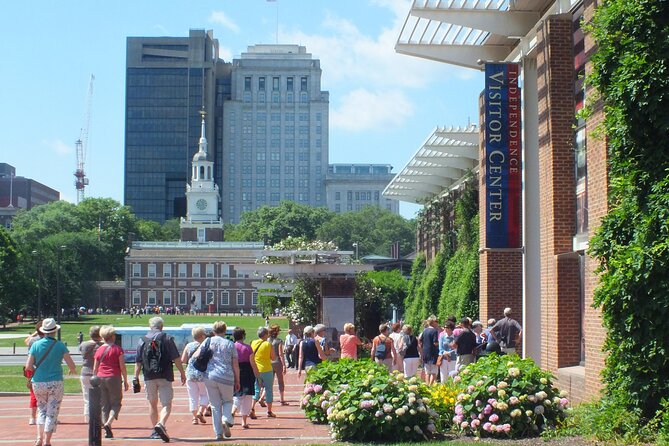
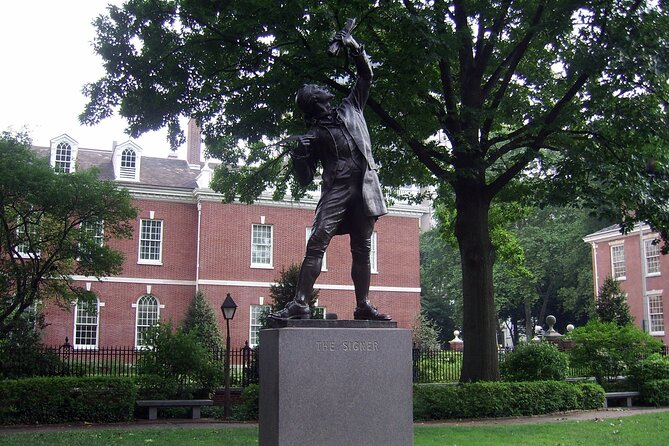
The tour begins at Signer’s Garden, 434-498 Chestnut St. If you’re new to Old City, this is a smart launch spot because it puts you close to the thickest cluster of Revolutionary-era landmarks. In 90 minutes, that matters. You don’t spend your trip stitching together routes on your own.
You’ll also benefit from the group size. With a maximum of 16, you get enough social energy for conversation, but it’s small enough that a good guide can keep the pace from turning into chaos. And because the tour ends in the heart of Old City Philly, you’re not stuck walking back to a far-away drop-off after you’ve built the historical map in your head.
More of Old City on foot, a few other routes



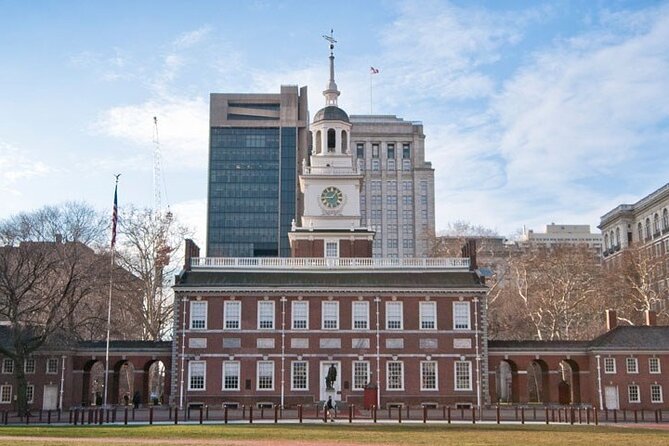
Independence Hall: the building behind 1776 and 1787
This stop is the cornerstone. The guide focuses on the building tied to the birth of the United States—where Congress declared independence from the British Empire in 1776. Then, the story expands to 1787, when the founders created the U.S. Constitution there.
What I like about this approach is how it forces you to think in cause-and-effect, not just dates. Independence is the spark. Constitution is the follow-through. When you hear those two moments placed side by side, the whole political story stops feeling like a school worksheet and starts feeling like a real timeline with pressure behind it.
A practical note: since the tour is walking and time is tight, expect the emphasis to be on explanation and orientation rather than long museum-style stops. If you want to go inside later, you’ll know exactly what to look for.
Liberty Bell pass-by: seeing a symbol from the street
You’ll pass by the Liberty Bell, America’s most enduring symbol of freedom. You don’t need to hunt it down after the fact because the tour points you to the right moment to look, even if it’s from the outside.
The guide’s job here is to connect the bell’s visibility to its meaning. It’s not just a big historic object sitting in the middle of town. The story is about how it became revered—so when you see it, you understand what makes it matter beyond the postcard photo.
If you’re the type who enjoys photos, you’ll appreciate that this tour builds in recognizable landmarks rather than making you figure them out while walking. And if you’re the type who hates feeling rushed, you can still pace yourself here because the route is designed around short stop-and-listen segments.
Franklin by his resting place: history you can almost touch
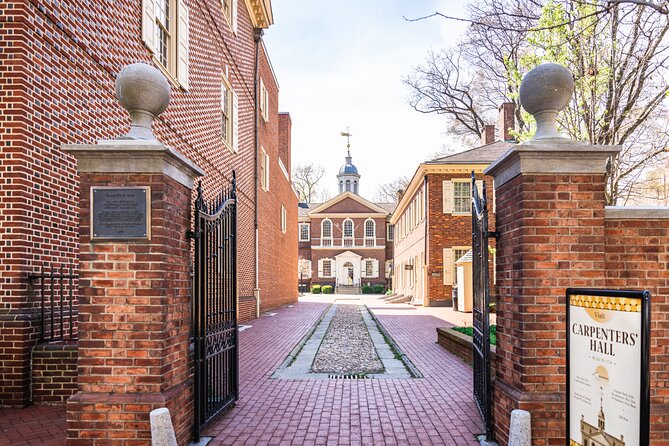
Next comes a stop by Benjamin Franklin’s resting place. This isn’t a random name-drop. The guide ties Franklin to what made him important: printer, politician, scientist, and philanthropist. Standing near the site makes those roles feel more grounded than they do in a textbook.
Here’s the value for you: Franklin shows how one person can shape a whole civic culture. The tour helps you connect the dots between invention, public life, and civic improvement. You’ll start seeing early Philadelphia as a place where ideas turned into institutions—not just a backdrop for famous signatures.
Also, this stop is a great breather. You can slow your legs, look around, and let the stories “stick” before you move on to the more destination-y sights.
The U.S. Mint stop: coins, power, and everyday meaning
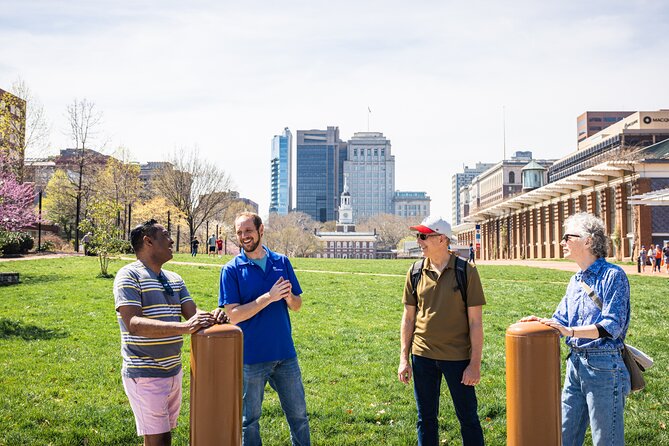
You’ll then head to the U.S. Mint in Philadelphia, described as the largest mint in the world. The tour frames this as the factory behind most of America’s circulating coins—plus a reminder that money is part of how new nations become real.
Even if you don’t plan to buy anything, the story helps you see the Mint as more than a landmark. Coins are history you handle. They’re proof of authority, systems, and daily trust. When the guide points you to the Mint, it gives you a neat way to connect national founding ideas with the practical mechanics that keep a country running.
It’s also a good stop for families and curious teens. If someone in your group likes “how stuff works” questions, coins and minting give you a natural topic.
Philly at a walking pace, more routes



Betsy Ross outside her home: the legend, explained on the sidewalk
The tour also includes a stop believed to be where Betsy Ross lived when she created the first American Flag. You’ll learn about this incredible story from outside her charming 18th-century home.
This is one of those “be careful what you assume” moments in history. The tour presents the belief as the starting point, and that matters. You come away understanding why the story is famous, even if you’re aware that early American history often comes with competing claims. Either way, you’ll get the narrative in context, not just a quick sound bite.
And because it’s outside, it works well for a walking tour. You can look at the scale of the home, the neighborhood feel, and the street setting without needing timed entry.
Quaker meetinghouse courtyard: religion in early Philadelphia
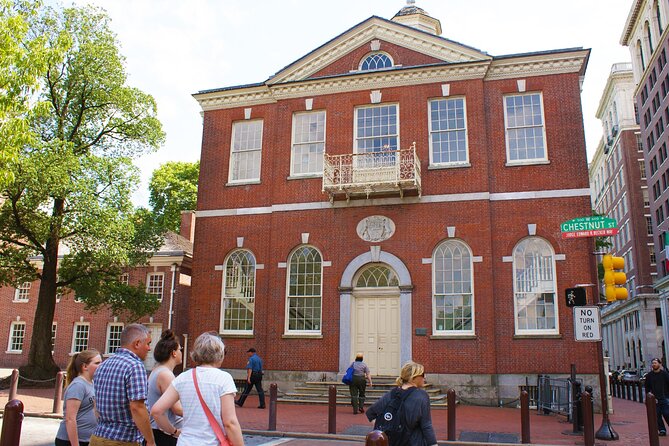
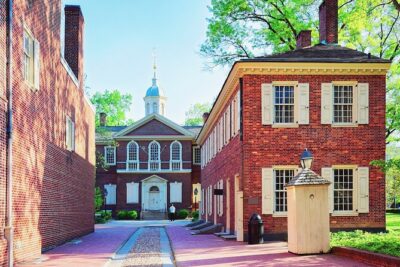
Another stop focuses on the Christian community that was predominant in early Philadelphia. The tour visits the courtyard of the largest Quaker meetinghouse in the area, and this is where the tour widens your lens beyond politics and national symbols.
What you learn here helps you understand why certain ideas spread the way they did. Religion shaped community life: how people met, how they governed themselves socially, and what they valued. In other words, it’s not only about speeches. It’s about daily structure.
This courtyard moment is also visually satisfying for a walking tour. You get a change of pace from landmark exteriors and street corners, and you get a sense of space—something you can’t always feel from a quick photo.
Elfreth’s Alley: the 1700s street you can actually walk
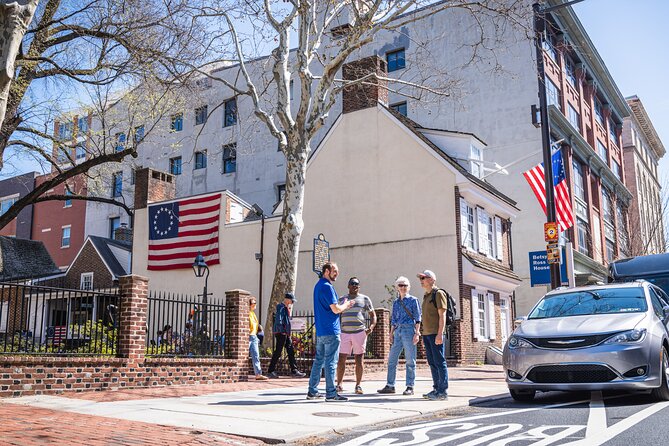
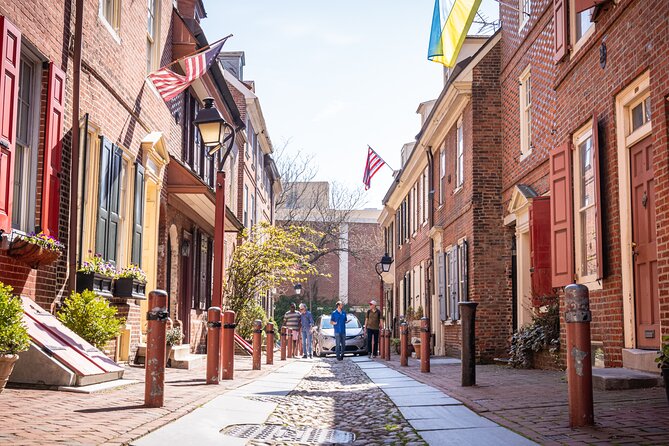
Then you get the street stroll everyone loves for pictures: Elfreth’s Alley. You’ll walk down one of the most charming streets in America, lined with quaint homes from the 1700s.
The tour spotlights why Elfreth’s Alley is special: it’s known as the oldest continuously residential street of the former 13 British Colonies. That doesn’t just sound impressive. It changes how you see the street. You start noticing details—doorways, the shape of the houses, the narrowness that makes it feel more human-scale than many modern city blocks.
The tour gives this stop about 15 minutes, and that’s a sweet spot. Enough time to take photos and read the mood of the street, but not so long that you lose the thread of the rest of the history.
If you’re traveling with a camera-phobic friend, this is also where you can say, just try one photo. It’s easy to succeed here.
Guide style matters: what past guests suggest to look for
Most of the feedback centers on guide performance: friendliness, a passion for the material, and lots of answering questions in a way that keeps people engaged. Some names that show up include David, John, Caroline, and Jonathan M.—and the common thread is a guide who aims to make the city make sense, then offers practical recommendations for what to do next.
That’s a big deal for value. A good history walk shouldn’t end at the last stop. It should help you use the rest of your day more smartly—where to eat, what to see nearby, and how to avoid time-wasting detours.
That said, there is one outlier complaint about a guide spending too much time on a small area and layering in political commentary. If you’re the type who only wants straightforward historical narrative, I’d suggest you bring that expectation with you. Ask a question early about a historical point you care about, so the tour stays anchored to the facts.
Price and timing: is $29 really good value?
At $29 per person for about 1 hour 30 minutes, this sits in the sensible middle range for a walking tour with multiple major stops. What makes the price feel reasonable is the mix: landmark storytelling (Independence Hall and Liberty Bell), personality history (Franklin), practical national infrastructure (the Mint), and street-level legends (Betsy Ross and Elfreth’s Alley).
Also, you’re not just paying for the guide’s time. The tour includes a donation to a local nonprofit historic organization. That’s a small but meaningful detail when you care about historic preservation and local impact.
Timing matters too. At roughly 90 minutes, this fits neatly into a half-day plan. You can pair it with a second activity later in Old City without forcing your whole schedule to stretch.
Who this tour fits best (and who should choose differently)
This tour is a strong match if you:
- Want a fast way to understand why Old City Philadelphia matters, without doing hours of homework
- Like walking breaks that include recognizable, photo-worthy stops
- Enjoy history that connects events to people, not just dates
It’s also a good option if you’re traveling with teens. One family situation described a 13-year-old following along and asking questions—so it can work when the group includes young history fans who like back-and-forth.
You might choose something else if you:
- Want lots of indoor museum time or official building entrances during the tour itself
- Get irritated by detours into personal opinions (even when the goal is to make history feel relevant)
Practical planning tips for your Old City day
A few things to keep in mind so this tour helps your trip instead of interrupts it:
- Wear shoes you can trust on uneven sidewalks. Old City is charming, but not designed for delicate soles.
- Bring a camera or phone, because the tour gives you real opportunities for street photos at Elfreth’s Alley.
- If you care about specific topics—Constitution details, Franklin’s inventions, Quaker community life—come with one question ready. You’ll get more out of a short tour when you drive the curiosity.
If you’re aiming for a specific day, booking ahead helps. On average, this tour is booked about 20 days in advance, so you’ll want to lock it in sooner rather than later.
Should you book this Old City history walking tour?
I’d book it if you want a solid, efficient 90-minute introduction to Philadelphia’s founding era with enough stops to feel like you covered real ground. The guide-led storytelling connects the dots from independence to government to everyday national life, then slows down just enough for the street magic of Elfreth’s Alley. At $29, with a guide who also shares trip recommendations, it’s a good value way to get your bearings and understand what you’re looking at.
I’d skip or swap if you’re expecting mostly indoor access or want a zero-opinion, strictly factual delivery every minute. In that case, look for a different format that’s more museum-style or more tightly scripted.
If you’re flexible and you like walking with a friendly local guide, this is the kind of Old City experience that makes the rest of your day feel easier.
FAQ
How long is the 90 minute Old City Philadelphia history walking tour?
It lasts about 1 hour 30 minutes.
How much does the tour cost?
The price is $29.00 per person.
Where does the tour start and where does it end?
It starts at Signer’s Garden, 434-498 Chestnut St, Philadelphia, PA 19106, and it ends in the heart of Old City Philadelphia.
What’s included in the price?
You get a local, English-speaking guide, stories about America’s historically significant city, and a donation to a local nonprofit historic organization.
Is the tour mostly outside?
Yes. The plan includes pass-by or outside viewpoints at places like the Liberty Bell and Betsy Ross home, plus a courtyard stop and a walking segment on Elfreth’s Alley.
What do I need to bring or how will I get my ticket?
You’ll use a mobile ticket, and the tour is offered in English.
Can I cancel, and is a service animal allowed?
Free cancellation is available if you cancel at least 24 hours before the experience starts for a full refund, and service animals are allowed.
More Tours in Philadelphia




More Tour Reviews in Philadelphia
Old City on Foot, More Routes


Fresh Off the Press: Latest Philadelphia Reviews












Old City Walking Tours, compared.
 ★ 5.0Philadelphia Old City Historic Walking Tour with 10+ Top SitesFrom $432,020 reviews
 ★ 5.0Philadelphia Old City History Pub Crawl Small-Group TourFrom $45294 reviews
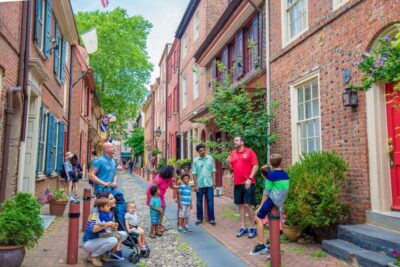 ★ 4.8Revolutionary Walk Through Historic Old CityFrom $35208 reviews
 ★ 5.0Philadelphia Historic Centre Food Tour with 5 Authentic TastingsFrom $72117 reviews
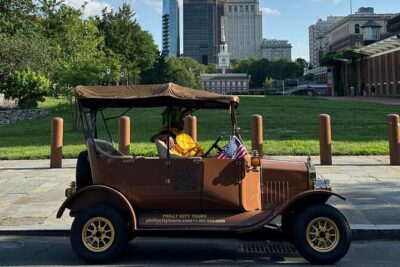 ★ 4.5One Hour Tour Of Philadelphia Historical Sites In A Vintage CarFrom $3952 reviews
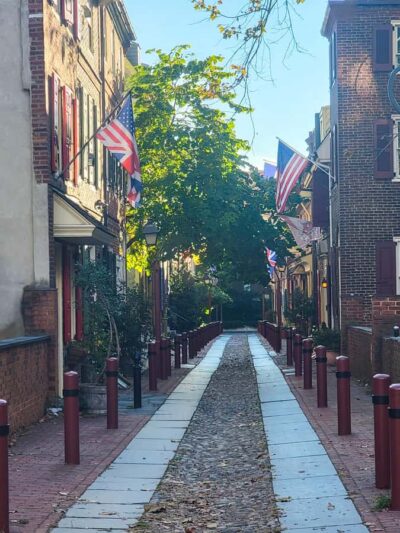 ★ 5.0Guided Walking Tour of Historic District!From $2542 reviews
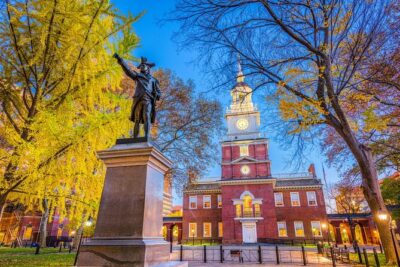 ★ 4.0Philadelphia Historic Sites Self-Guided Walking TourFrom $1425 reviews
 ★ 4.5Historic Sites of Philadelphia Self-Guided Walking Audio TourFrom $924 reviews
Browse the lists this tour appears in